Enhancing Street Photography Techniques
Street photography is a captivating art form that captures the essence of urban life through candid images. This blog post delves into various techniques to enhance your street photography skills, combining technical elements with the subtle art of blending into the scene. From choosing the right camera equipment to mastering shutter speed, aperture, and other settings, these techniques form the foundation of powerful street photography. We’ll explore orientation techniques, tips for shooting discreetly, and the legalities to consider, enriching your ability to capture the vibrancy of street scenes while respecting those within them. Whether you’re a seasoned street photographer or just getting started, this comprehensive guide will help you sharpen your skills and elevate your street photography to new heights.
Picking the right camera
Choosing the right camera for street photography can significantly impact your work. Compact mirrorless cameras or DSLRs with a quiet shutter are popular choices due to their unobtrusiveness and versatility. Portability is key, as larger cameras can draw unwanted attention and detract from your ability to capture candid moments.
The decision between prime and zoom lenses is another consideration. While prime lenses offer wide apertures and sharp focus, a zoom lens can provide flexibility in framing and distance, crucial for spontaneous shots. Whatever your choice, ensure that the camera’s settings are easily accessible to adapt quickly to changing scenes.
Keep a low angle, and use your tilt screen
Shooting from a low angle can offer a fresh perspective on street scenes, capturing the world from a child’s level or emphasizing foreground details. A tilt screen is invaluable for such shots, allowing you to compose images while maintaining a discreet stance.
Using a low angle also intensifies the drama of sky and architectural backgrounds, providing a sense of depth and scale. Experiment with different heights and angles to see which compositions resonate with your creative vision.
The landscape orientation technique
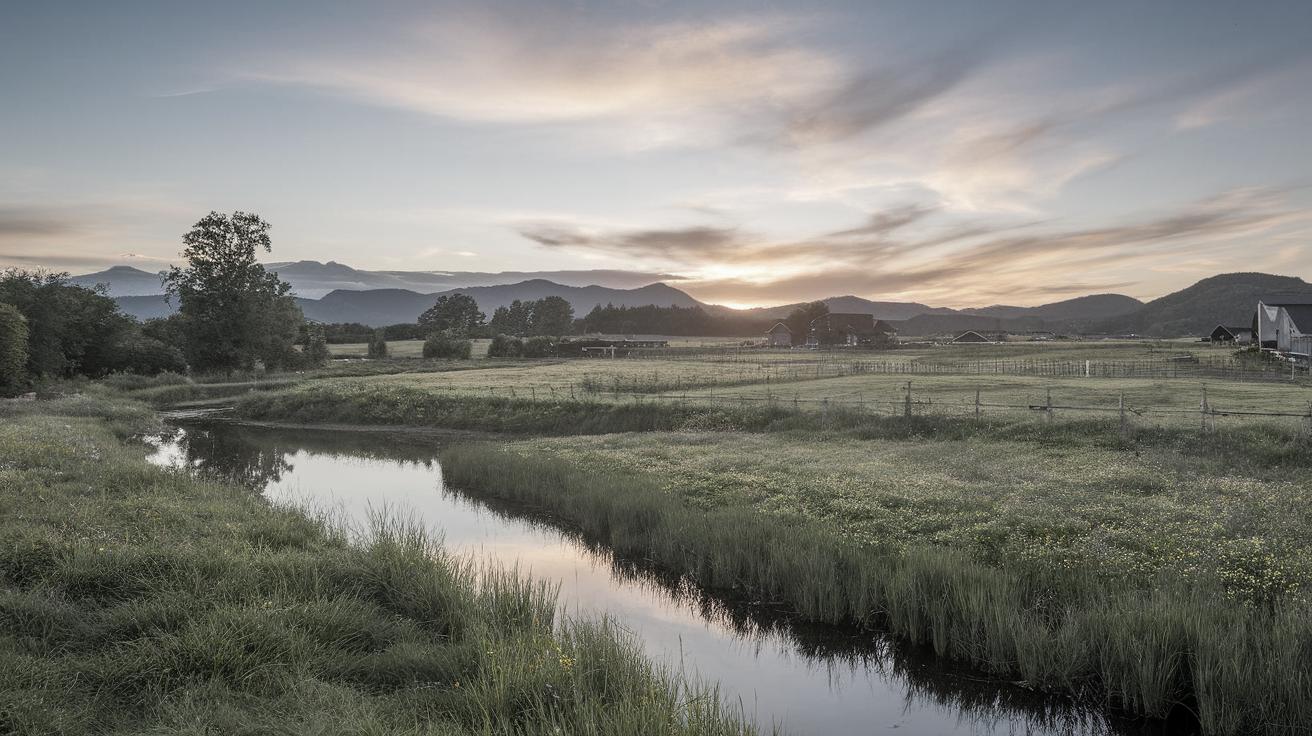
Landscape orientation is perfect for capturing broad street scenes and telling a comprehensive visual story. This orientation allows you to include multiple elements within the frame, offering a glimpse of interactions and activity.
Focus on the rule of thirds to balance the elements within your composition, ensuring that there’s an interesting interaction between the foreground, middle ground, and background. This technique emphasizes dynamic and interconnected aspects of urban life.
The portrait orientation technique
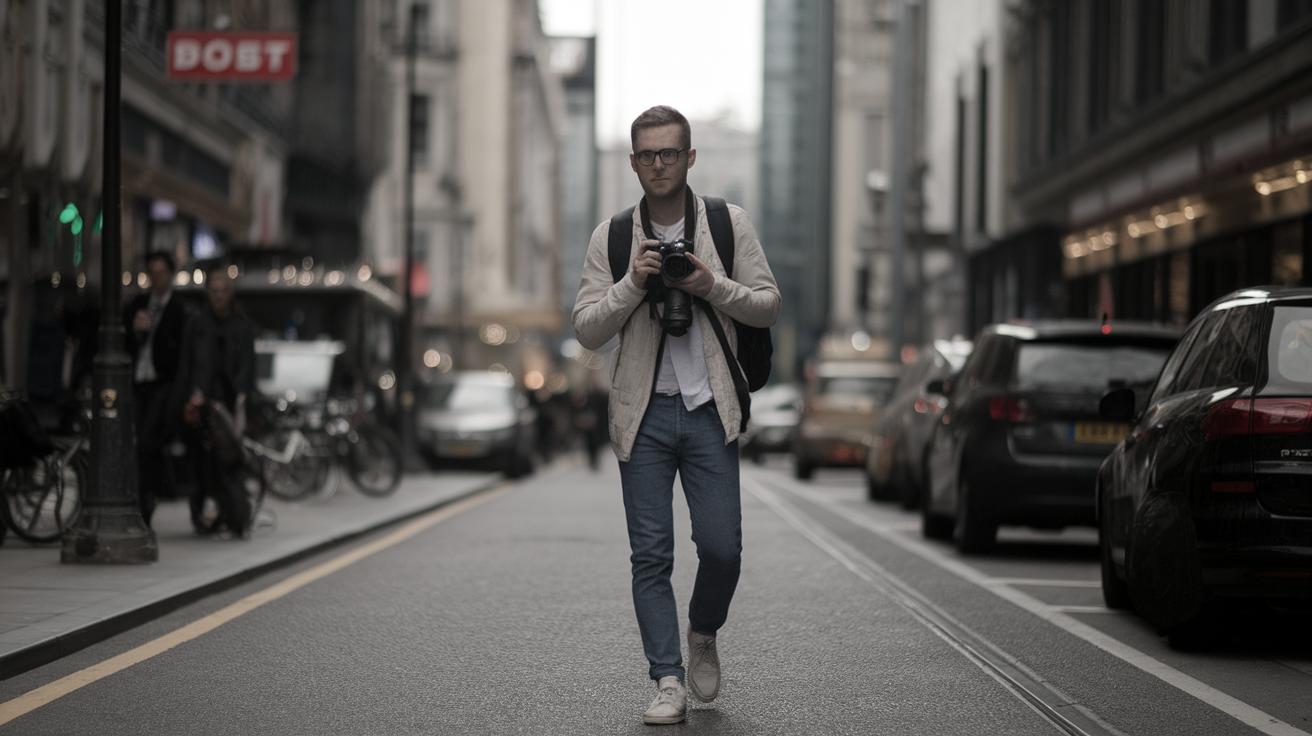
Portrait orientation is excellent for emphasizing verticality or isolating subjects from their environment. This angle brings attention to individuals and creates a more intimate connection with the viewer, drawing focus to facial expressions and personal narratives.
Use portrait orientation for single-subject portraits or street performers, capturing the height of buildings or distinct architectural features. This framing is particularly effective in conveying emotion and capturing spontaneous, expressive moments.
Discreetly geared up
Remaining inconspicuous is a skill every street photographer should master. Dress comfortably and blend with the crowd to avoid drawing attention. Using a simple, non-descript camera bag means you won’t stand out as a photographer.
Equipment like silent shutter modes and small prime lenses help maintain a low profile. Practice holding your camera in ways that keep it nonthreatening and unassuming, allowing you to capture authentic moments without causing a stir.
Aperture
Aperture settings play a crucial role in street photography, influencing depth of field and exposure. A wider aperture (lower f-stop) creates a shallow depth of field, isolating subjects against a blurred background, perfect for portraits.
Conversely, a narrower aperture (higher f-stop) ensures everything in the frame remains in sharp focus, essential for capturing bustling streets or architectural details. Experiment with aperture to find the balance that fits your creative aspirations.
Shutter speed
Shutter speed determines how motion is captured in your images. Fast shutter speeds freeze action, perfect for snapshots of bustling urban environments or vivid street performances. In contrast, slow speeds can convey motion blur, adding a dynamic feel to your photos.
Mastery over shutter speed allows you to depict everyday moments artistically, capturing the essence of movement and energy that defines street life, whether through crisp clarity or evocative blurs.
ISO
ISO settings directly affect image sensitivity to light and noise levels. Lower ISO is ideal in well-lit environments, delivering crisp, clean images. Higher ISO settings are beneficial in low-light conditions, essential for maintaining exposure when fast shutter speeds or narrow apertures are needed.
Balance is critical; too high an ISO can introduce noise that detracts from image quality. By understanding and adjusting ISO effectively, you maintain control over the mood and clarity of your street photography.
White balance
Correcting the white balance ensures that colors in your images appear as natural as possible. Street photography often involves different light sources, such as daylight, streetlights, and neon signs, each with distinct color temperatures.
Experiment with manual and preset white balance settings to suit the mood you wish to create. Accurate white balance maintains the authenticity of colors while highlighting urban atmospheres.
The background on why I’m writing this
As a passionate street photographer, I’ve experienced the exhilarating challenge of capturing candid moments that reflect the soul of urban environments. Writing this guide combines insights from personal experiences with technical knowledge, aiming to help others navigate and master the vibrant world of street photography.
By sharing these techniques, I hope to inspire fellow photographers to push their creative boundaries and develop a deeper appreciation for the dynamic tapestry of street life.
Understanding the basics of street photography
Street photography is more than just documenting public spaces; it’s about capturing the human essence within it. This genre involves spontaneity, serendipity, and a keen eye for detail, driven by a desire to tell stories through single frames.
By understanding the basics, such as composition, lighting, and timing, photographers can better anticipate and capture those fleeting moments, transforming the ordinary into extraordinary narratives.
Tips for blending in as a street photographer
To blend in as a street photographer, you must become part of the environment without appearing intrusive. Wear neutral, comfortable clothing that doesn’t attract attention, and avoid flashy or cumbersome equipment.
Patience is a virtue; by spending time in a location, you become familiar to locals, fostering trust and paving the way for more genuine interactions and photos.
Mastering the art of shooting from the hip
Shooting from the hip involves capturing images without raising the camera to eye level. This technique requires practice and anticipation but allows photographers to catch candid, unposed moments naturally.
With time, you develop an instinct for framing shots without looking through the viewfinder, resulting in unique perspectives and authentic street photos.
Using a slightly wider focal length for dynamic street shots
A wider focal length, such as a 28mm or 35mm lens, captures more of the environment, anchoring subjects within context while enhancing the dynamism of street scenes. With this approach, scenes feel vibrant and inclusive, engaging viewers with the fullness of urban life’s hustle and bustle.
Wider lenses allow photographers to be close to their subjects without losing background context, enriching the narrative with details that narrow lenses might miss.
Zone-focusing techniques for capturing fast-moving subjects
Zone focusing is invaluable for street photographers aiming to capture fast-moving subjects without relying on autofocus, which can be slow in challenging lighting conditions. This technique involves pre-focusing the lens to a specific distance, allowing for instantaneous capture as subjects move within range.
Practicing zone focusing enhances your ability to react quickly to unfolding events, capturing spontaneous actions with precision and clarity.
Engaging respectfully with subjects in public spaces
Respectful engagement with people in public spaces is crucial for maintaining the integrity of street photography. Approach subjects politely and be prepared to explain your artistic vision if questioned.
Seeking permission or sharing the outcome of your work can foster positive relationships and encourage openness, creating a more cooperative and ethical photographing experience.
Leveraging natural light and shadows in urban photography
Natural light and shadows are dynamic elements that street photographers can use to their advantage. Early morning and late afternoon provide soft, directional light that lends depth and dimension to images.
Experimenting with harsh midday sun and deep shadows creates contrast and drama, highlighting textures and details that embody city life.
Overcoming the fear of shooting strangers
Photographing strangers in public spaces can be daunting, but confidence grows with practice. Start by shooting from a distance, gradually moving closer as you become comfortable with your surroundings.
Remember, the intention is to capture the moment, not intrude upon it. Being respectful and understanding public space dynamics eases interactions, reducing anxiety and fostering creativity.
The role of body language in street photography
Observing body language is integral for predicting actions and capturing emotionally resonant images in street photography. Subtle cues like gait, posture, and gestures inform the photographer’s approach, timing, and composition.
By attuning yourself to these non-verbal signals, you enhance your situational awareness, improving your ability to anticipate and photograph compelling moments.
Discreet shooting: how to hold your camera
Holding a camera with discretion is essential for capturing candid street scenes without drawing attention. Instead of raising the camera to your face, try using a waist-level viewfinder or holding the camera at chest level.
Practice pressing the shutter in a casual manner, using techniques like pre-focusing and continuous shooting to capture moments organically.
Finding patterns and themes in your photography
Identifying patterns and themes in street photography enriches storytelling, providing coherence across images. Look for recurring motifs like color palettes, textures, or groups of people engaging in similar activities.
Establishing these visual patterns helps you recognize opportunities for unique compositions, appealing narratives, and cohesive project undertakings.
Focusing on faces and expressions
Faces and expressions convey genuine emotion and personal narratives in street photography. Capturing these moments requires patience and an observant eye, allowing the personality of subjects to shine through.
Frame these expressions in a way that they anchor the scene, with surrounding elements adding context, resulting in poignant images that resonate emotionally with viewers.
Capturing decisive moments
The concept of the decisive moment, popularized by Henri Cartier-Bresson, is pivotal in street photography. It entails capturing the precise moment when all elements within a frame coalesce into a meaningful composition.
Mastering this skill involves keen observation, anticipation, and a readiness to press the shutter, ensuring that fleeting interactions and events are immortalized in your work.
Knowing your camera settings
Familiarity with your camera’s settings enables swift adjustments, essential for adapting to the rapid pace of street photography. Practice manipulating aperture, shutter speed, ISO, and white balance with confidence and efficiency.
A deep understanding of your equipment gives you the freedom to focus on creativity and composition, allowing you to capture compelling street images regardless of the situation.
Go out and walk around as often as possible to capture moments
The heart of street photography lies in exploration. Regularly venturing into neighborhoods and cities increases your opportunities for discovering unique scenes and capturing candid moments.
Consistency builds familiarity with locations, sharpens your eye for detail, and enhances your ability to anticipate dynamic occurrences within the urban canvas.
Understanding the legality of street photography
Legal considerations are paramount in street photography, as capturing public scenes involves potential privacy concerns. Familiarize yourself with local laws regarding photography rights to reduce legal risks when photographing people in public spaces.
Awareness and adherence to legal frameworks not only protect you legally but also reinforce ethical practices that respect the rights and dignity of your subjects.
Summary of main points
| Aspect | Techniques |
|---|---|
| Camera and Equipment | Choose the right camera, use compact and versatile equipment, practice discreet shooting. |
| Shooting Techniques | Explore low and unique angles, shoot from the hip, blend in with surroundings. |
| Settings | Manage aperture, shutter speed, ISO, and white balance for optimal results. |
| Creative Perspectives | Utilize natural light and themes, focus on expressions, capture decisive moments. |
| Legal and Ethical | Understand the legalities, engage respectfully, implement ethical photography practices. |