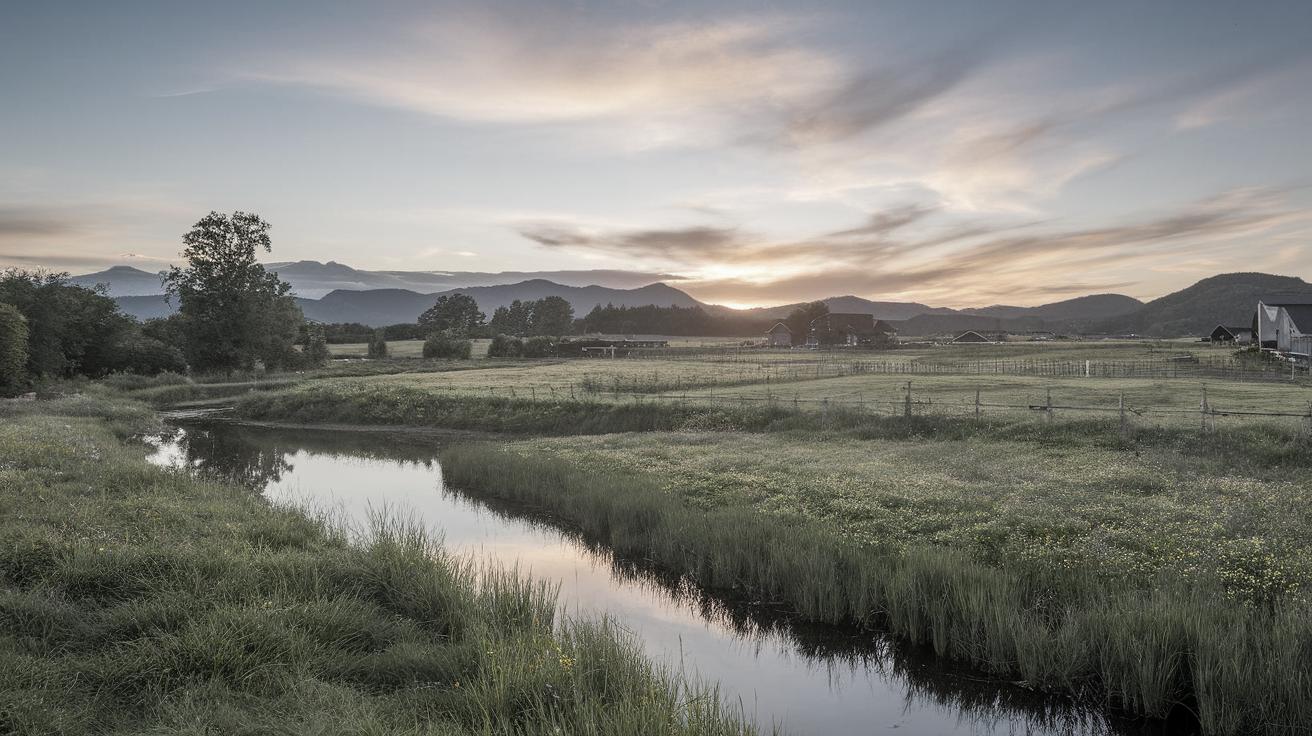
The Role of Mood in Photography
Photography is more than just a visual art form; it is a medium that captures emotions and stories beyond what can be seen on the surface. The mood in photography plays a crucial role in determining the narrative and the emotional impact of an image. From the perspective of both the artist and the subject being photographed, mood can shape how an image is interpreted and valued. This blog post delves into various aspects that influence mood in photography, including the artist’s vision, the role of the subject, the decision to shoot a single image versus a series, the manipulation of context through aperture settings, the art of reading faces, and the importance of situational and historical knowledge. By understanding these elements, photographers can elevate their work from simple captures to evocative pieces of art.
Make Better Photographs
Creating compelling photographs often hinges on the ability to imbue images with mood. Mood guides the viewer’s emotional response and connects them to the photograph’s deeper narrative. By thoughtfully incorporating mood, photographers can enhance the quality and impact of their images. This process begins by considering what you want your audience to feel and crafting each element of the photo to align with that emotional tone.
Lighting, color palettes, and composition all contribute significantly to mood. For instance, a photograph with warm, soft lighting can evoke feelings of nostalgia or warmth, whereas a picture taken in harsh, cold lighting might communicate tension or starkness. Understanding how these elements interact to create mood allows photographers to better convey the intended message.
The Artist
The photographer, as the artist, has the power to set the mood of a photograph. An artist’s emotional connection to the subject or scene can deeply influence how they capture it. This connection often comes from personal experiences, beliefs, or aesthetic preferences, which serve as a guide when deciding on composition, lighting, and perspective.
A photographer’s mood during the shoot will inevitably seep into the images. If the artist is inspired, enthusiastic, or contemplative, those emotions can manifest in the framing, subject choice, and even in the post-processing stage, coloring the final product with a unique tone that tells a personal story.
The Subject
The mood of a photographic subject can significantly influence the overall feeling of an image. Subjects that are naturally emotive or positioned to express specific emotions provide the viewer with an anchor to interpret mood. A smile can convey joy, while a distant gaze can evoke contemplation, adding layers to the narrative.
When working with human subjects, it’s essential for photographers to establish a rapport to help guide and capture a genuine expression aligned with the desired mood. For non-human subjects, such as landscapes or architecture, capturing mood might involve waiting for the right lighting conditions or incorporating elements like weather to enhance the intended atmosphere.
Single vs. Series
A single photograph may convey a powerful mood, but a series of images can deepen the emotional impact by expanding the narrative. Through a series, photographers have the opportunity to explore different facets of mood through variations in scenes, subjects, or angles, creating a comprehensive story over multiple frames.
Deciding between a single image or a series involves considering the scope of the story. A single image might suffice to communicate a straightforward emotion, while a series can help elaborate on complex emotions or depict the evolution of mood over time, providing viewers with a richer, more immersive experience.
Add or Subtract Context with Aperture
Aperture settings are a technical tool that photographers use to control depth of field, which can add or subtract context and influence mood in images. A wide aperture creates a shallow depth of field, isolating the subject from the background and emphasizing mood by focusing on a specific element, thus guiding the viewer’s attention.
Conversely, a narrow aperture increases the depth of field, incorporating more of the background and providing context that can alter the mood. This added detail can introduce elements that influence the viewer’s perception of the subject’s mood, allowing photographers to either simplify or complicate the emotional narrative of an image.
Reading the Faces
One of the most potent conveyors of mood in photography is facial expression. Capturing a face at just the right moment can reveal a world of emotions and stories. Understanding and recognizing subtle expressions and how they translate on camera is a skill that every photographer should develop to capture authentic emotions effectively.
Expression is not merely about the position of the mouth or eyes; it’s the totality of the facial anatomy at rest or in motion. Photographers adept at reading faces can capture the intricate nuances of human emotion, providing images that resonate on a visceral level with viewers.
Situational and Historical Knowledge
Situational and historical contexts heavily influence the mood in photography. Situational awareness helps in capturing the immediacy and authenticity of emotions as they unfold. For documentary photographers and journalists, having insight into both the location and its pertinence to current or historical narratives is crucial for imbuing images with meaningful mood.
Historical knowledge allows photographers to communicate the background of a scene or subject’s mood. Understanding the broader context—be it cultural, political, or personal—enables photographers to create images that resonate with depth and authenticity, inviting viewers to explore beyond the surface into a rich tapestry of stories and emotions.
Next Steps
| Aspect | Summary |
|---|---|
| Make Better Photographs | Utilize elements like lighting and color to enhance mood and communicate narratives effectively. |
| The Artist | The photographer’s mood and perspective greatly influence the composition and emotional tone of the image. |
| The Subject | A subject’s emotions and expressions help anchor the mood, guiding the viewer’s interpretation. |
| Single vs. Series | Choosing between a single image or a series depends on the complexity of the mood and narrative being conveyed. |
| Add or Subtract Context with Aperture | Aperture settings can enhance mood by controlling depth of field and the amount of contextual detail included. |
| Reading the Faces | Faces are essential in conveying mood; understanding expressions is crucial for capturing authentic emotions. |
| Situational and Historical Knowledge | Contextual and historical insights add depth, helping to convey a scene’s mood beyond its visual elements. |