What is the Impact of Different Lenses on Photo Style?
The art of photography is not just about capturing images but about how those images are captured. One of the most significant factors influencing this art is the choice of lens. Lenses can dramatically alter the outcome of a photograph, influencing its style and overall impact. Different lenses have varying effects on elements such as field of view and perceived distance, thereby transforming the mood and aesthetic of the image. This article delves into the nuances of how lenses impact photo style, specifically examining the field of view, the distance between subjects, and the selection of the appropriate focal length for different photographic needs. By understanding these concepts, photographers can better express their artistic vision and elevate the quality of their work. Let’s explore how different lenses shape the way we see and capture the world.
Field of View
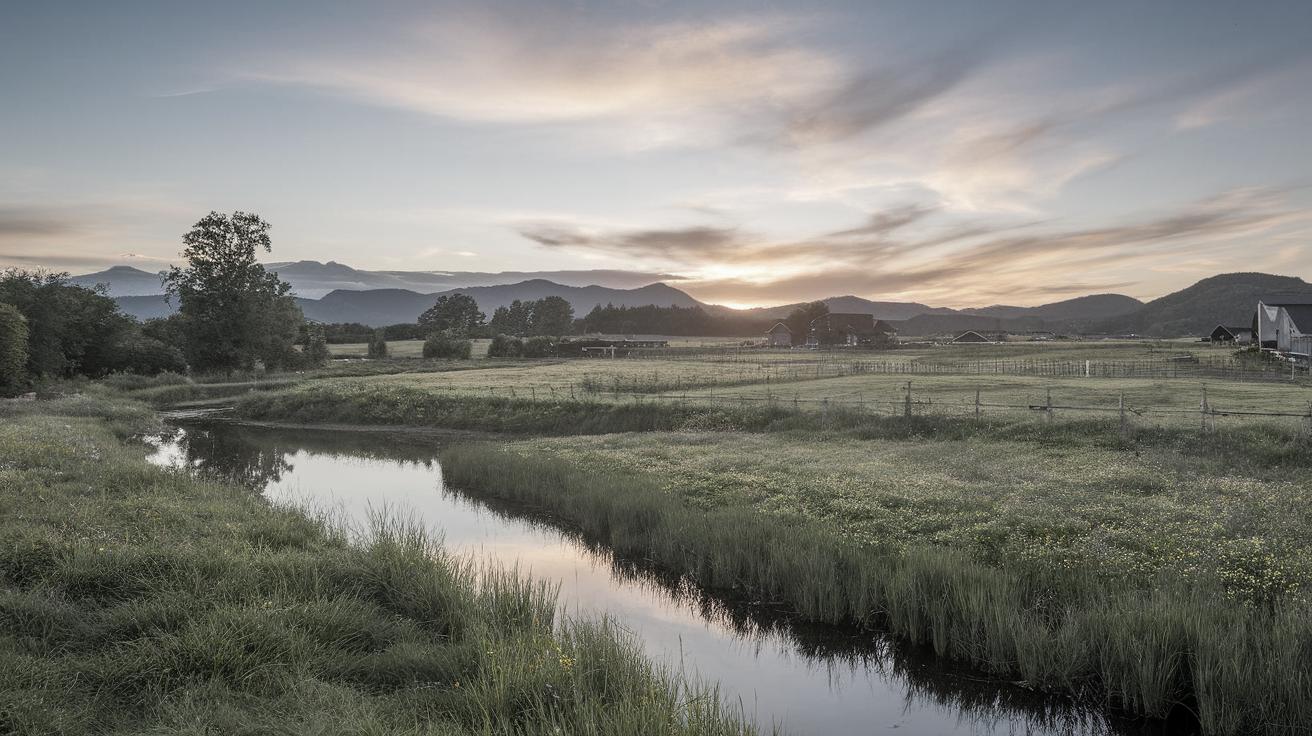
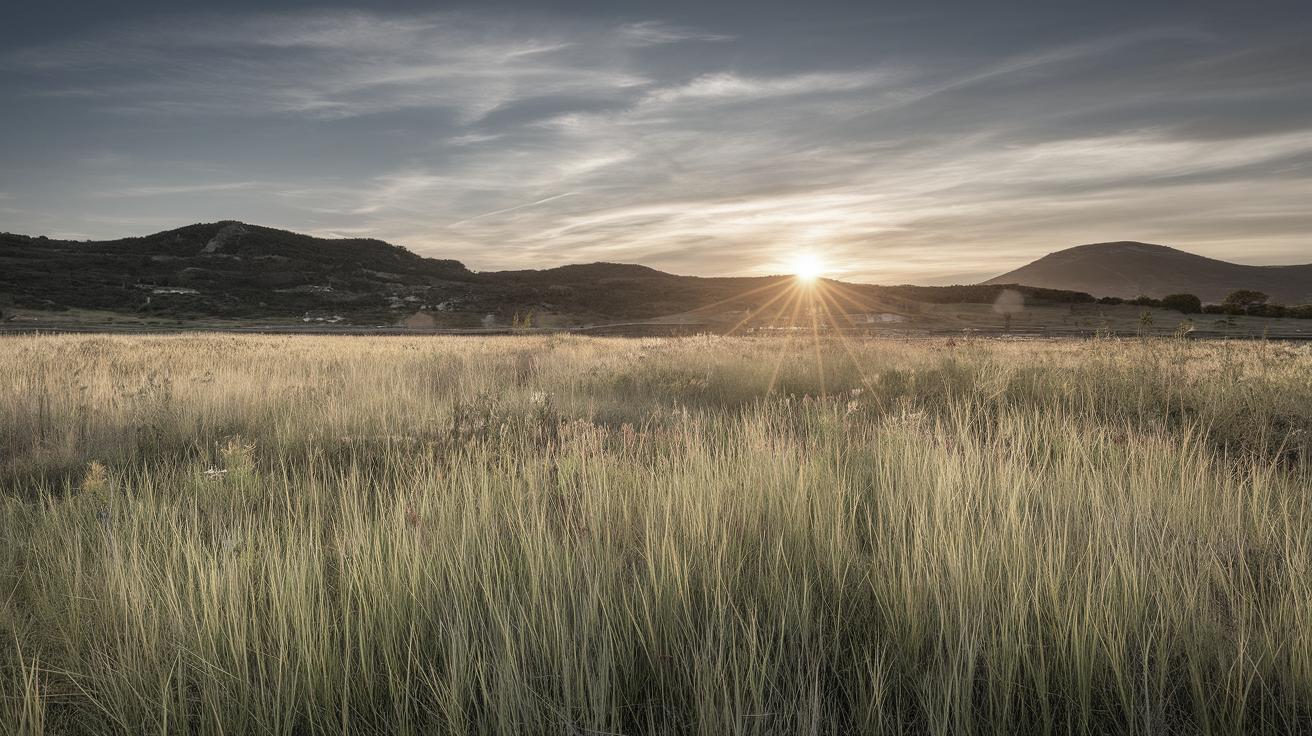
The field of view (FOV) is a fundamental concept in photography that defines how much of the scene will be captured by the camera. Essentially, it dictates the angle of view visible through the camera’s lens. Wide-angle lenses offer a broad FOV, which is perfect for capturing sweeping landscapes or large group photos. They allow photographers to include more elements in a single frame but can lead to distortion, especially at the edges of the image. This distortion can either add a creative flair or detract from the image’s intended effect, depending on the photographer’s goals.
Conversely, telephoto lenses provide a much narrower FOV, effectively bringing distant subjects closer. This ability makes them ideal for wildlife photography, sports events, or any scenario where the subject is distant from the photographer. Telephoto lenses tend to flatten the image, making objects appear closer together, which can create a unique, compressed look. Mastery of FOV allows photographers to manipulate the viewer’s perception, either by immersing them in a vast scene or focusing their attention on a distant detail.
Distance between Objects
The perceived distance between objects in a photograph is largely determined by the lens’s focal length. Wide-angle lenses tend to exaggerate the space between foreground and background, creating a sense of depth and expansiveness. This characteristic is particularly useful in achieving dramatic perspectives in interior and architectural photography, where the goal is often to make spaces feel larger and more open.
On the other hand, the longer focal lengths of telephoto lenses compress the distance between objects, making them appear closer together. This can be advantageous for portraits, where the focus is solely on the subject, allowing the background to blur into insignificance. The ability to manipulate the space between objects through lens choice is a powerful tool, allowing photographers to control the narrative and emotion conveyed in their images.
Picking the Right Focal Length
Choosing the right focal length is critical in achieving the desired photographic effect. Each focal length offers a different perspective and level of detail. Wide-angle lenses, typically ranging from 16mm to 35mm, are excellent for capturing broad scenes. They introduce a unique dynamic to the image but require careful composition to avoid unwanted distortion.
Standard lenses, often in the 35mm to 70mm range, mimic the human eye’s natural perspective, making them incredibly versatile for everyday photography. Telephoto lenses, starting at around 70mm and extending beyond 200mm, provide excellent options for isolating subjects and compressing background distances. Each focal length brings a distinctive feature to photography, allowing the photographer to tailor their approach to the specific demands of their subject and setting.
Share this:
If you found this article helpful, be sure to share it with your fellow photography enthusiasts and keep exploring the craft!
| Element | Impact of Lens |
|---|---|
| Field of View | Wide-angle lenses capture more of the scene; telephoto lenses focus on distant subjects. |
| Distance between Objects | Wide-angle lenses exaggerate space; telephoto lenses compress distance between objects. |
| Focal Length Selection | Affect perspective, depth, and subject isolation, offering varying creative possibilities. |