The Role of Contrast in Photography
In the world of photography, contrast plays an essential role in defining the mood, adding depth, and accentuating the details that might otherwise get lost. This blog post delves into understanding contrast’s multiple facets—from achieving good contrast in your photos to differentiating between contrasting colors and tones. We will explore techniques to control and manipulate contrast, understanding terms like micro-contrast, global contrast, and the nuances of high-key versus low-key images. With detailed examples of both high-contrast and low-contrast photographs, we aim to enrich your knowledge and creativity, allowing you to effectively use contrast in capturing memorable images. Join us as we explore these concepts, bringing to light the true capabilities of contrast in the realm of photography, while also offering insights to elevate the visual impact of your photographic endeavors.
What is Good Contrast in a Photo?
Recognize Contrast as It Is
Recognizing good contrast is about understanding the differences in tone or color that can make elements within a photo stand out distinctly or blend harmoniously. Good contrast doesn’t necessarily mean high contrast, as even subtle distinctions can significantly impact composition and aesthetic value. In essence, it is about matching contrast to the intended mood and narrative of the image; a nuanced orchestration of light and shadows, hues, and tonal balance which collectively work towards conveying the photographer’s vision.
There are different types of contrast to consider, such as tonal contrast, which depends on varying brightness levels, and color contrast, which deals with hue differences. Recognizing these contrasts in your surroundings is the first step toward skillful photographic storytelling. It is this understanding that guides the photographer’s eye to select and capture subjects that align with their artistic and communicative goals.
Control or Change Contrast in Photography
Controlling or altering contrast during photography allows for more precise storytelling. The process involves manipulating lighting conditions, choosing the appropriate camera settings, and utilizing post-processing techniques. By adjusting shutter speed, aperture, and ISO, photographers can control initial exposure that impacts contrast. Understanding which contrast level fits your scene supports achieving the desired effect, whether it involves highlighting details in shadows or ensuring bright areas aren’t washed out.
In post-processing, contrast adjustments can bring photos to life by refining the light’s range to enhance detail and texture. Software tools allow for nuanced control over highlights, midtones, and shadows, providing opportunities to craft more cohesive visual narratives. Changing contrast in photography isn’t strictly technical; it’s also about creative vision and how effectively visual elements tell the story intended by the photographer.
Contrasting Colors and Tones in Photography
Micro-Contrast vs. Global Contrast
Micro-contrast refers to small variations within the photo that affect the perception of sharpness and surface details. This type of contrast accentuates textures and intricate patterns, making photos appear more defined and three-dimensional. It often involves local adjustments and is typically introduced during the editing process, focusing on enhancing nuances within smaller image regions.
On the contrary, global contrast affects the overall brightness range of the image across broader sections or the entire image. It’s a crucial element in setting the foundational mood and tone of the photograph. Global adjustments might impact how viewers perceive the subject’s prominence against its background, altering the image’s emotional weight and engagement. Skillful balancing of micro and global contrast can lead to more compelling and dynamic images.
High-Contrast Photo Examples
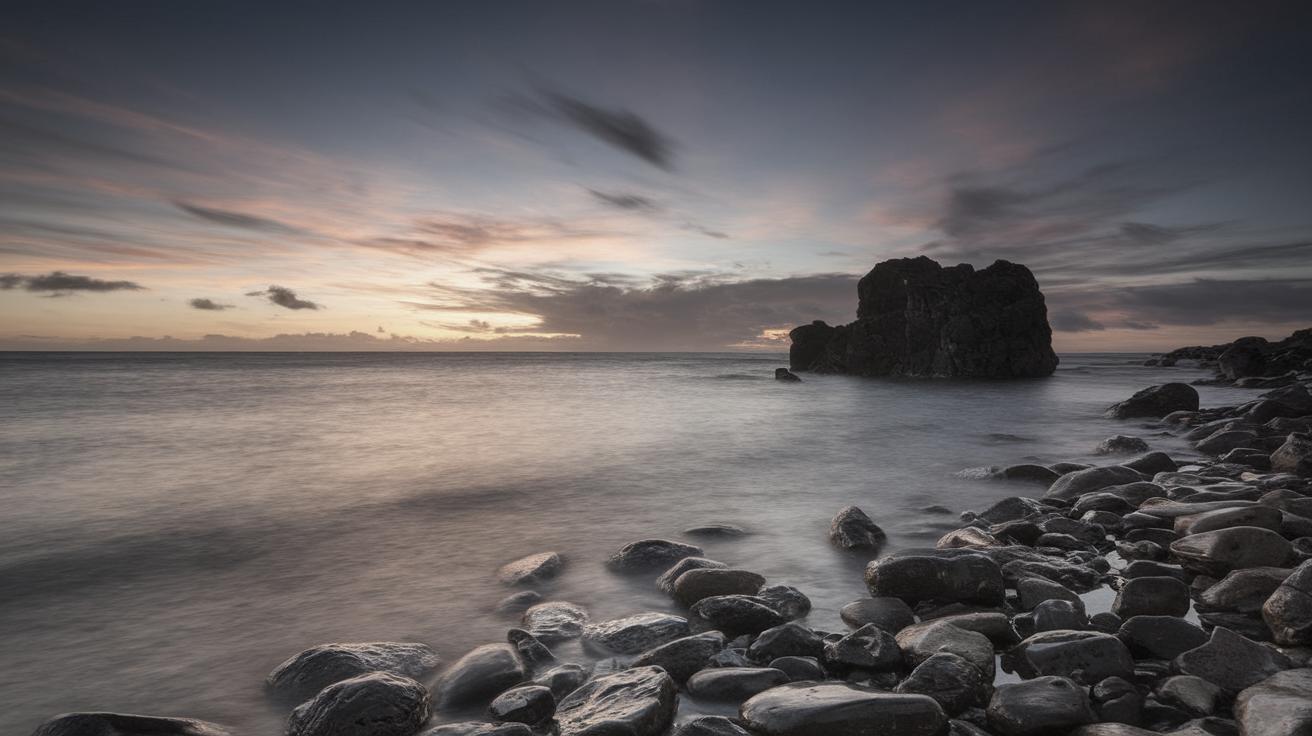
A high-contrast photo entails pronounced distinctions between the light and dark areas. These photos often feature clearly defined subjects with stark and dramatic aesthetics. High-contrast scenes are powerful in black and white photography, where the absence of color emphasizes tonal differences. Such photos stand out for their bold, eye-catching appearance and are particularly effective in intense lighting conditions or demanding weather scenes.
Famous examples of high-contrast photography include street and architectural photography, where shadows against lit buildings create visually striking compositions. The interplay of light and shadow becomes the focal point, producing images that remain etched in the audience’s minds for their clarity and dramatic narrative.
Low-Contrast Photo Examples
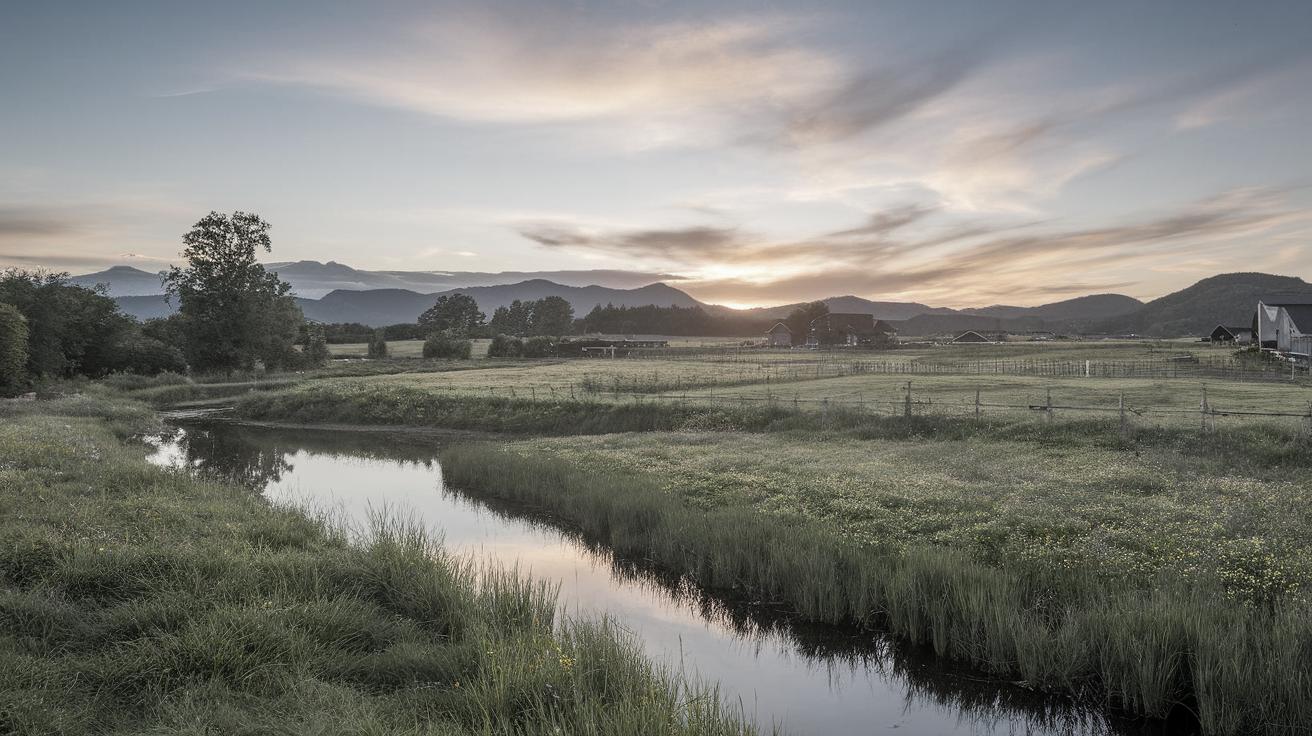
Low-contrast photography, in contrast, features a subtle distinction between the light and dark areas, often resulting in softer, dreamier visuals. This approach is utilized to evoke delicate moods, conveying a softer atmosphere or intimacy. In such photos, differences in tones are minor, creating harmony that feels continuous and interconnected.
Low-contrast examples can be seen in foggy landscape photography or soft portraits. The gentle transitions between contrasting elements allow the viewer to experience a calm, introspective reaction, often instilling a sense of tranquility or nostalgia. This type of photography hinges on subtleties and can be a powerful storytelling mechanism for quiet, reflective themes.
High-Key vs. Low-Key Images and Contrast
High-key images are defined by lighter tones, enhanced reflections, and reduced shadows to evoke positive emotions and freshness. These are often used in fashion and portrait photography where presenting clarity, purity, and optimism are paramount. High-key techniques make selective use of soft light sources, giving an ethereal quality to images.
Conversely, low-key images use darker tones and minimal lighting, creating shadows that evoke moodiness and drama. Low-key techniques are ideal for portraying mystery, tension, or sensuality, with significant applications in cinematic storytelling. Lighting is strategically utilized to spotlight key features or expressions, making these images intense and compelling in their storytelling.
Summary of Main Points
| Topic | Description |
|---|---|
| Good Contrast | Depends on balancing tonal and color differences to match the image’s mood and narrative. |
| Control/Change Contrast | Achieved through camera settings and post-processing to enhance the scene’s complexity and pathway. |
| Micro vs. Global Contrast | Micro affects fine details and textures, while global adjusts the overall brightness range across the image. |
| High/Low Contrast Examples | High-contrast creates bold, dramatic scenes, while low-contrast offers subtle, softer mood representations. |
| High-Key & Low-Key Contrast | High-key uses lighter tones for clarity and freshness; low-key utilizes shadows for drama and intensity. |