How to Photograph with Creative Angles
Photography is a powerful means of storytelling, and exploring creative angles can add a unique flair to your visual narratives. In this blog post, we explore four distinct perspectives to elevate your photography skills: shooting from above, below, behind, and at eye level. By experimenting with these angles, you can add depth, interest, and a fresh perspective to your photographs. Whether you’re photographing landscapes, portraits, or everyday scenes, these techniques will help you capture the world in captivating ways. Let’s dive into each technique and discover how to incorporate them into your photography repertoire.
From Above
Shooting from above, also known as bird’s-eye view, can dramatically transform the way a subject is perceived. This angle offers a comprehensive overview, providing a sense of scale and context that may be lost in more conventional shots. Aerial photography, made easier with the advent of drones, has become particularly popular for capturing expansive landscapes, bustling cityscapes, and the intricate patterns of nature.
For those without access to drones, simply elevating yourself through safe means such as a tall structure or even standing on a sturdy platform can achieve a similar effect. This angle works wonders for flat lays in product photography or creating dynamic tension in compositions. From above, photographers can tell a story by including elements that might otherwise remain unseen, crafting images that feel complete and connected.
It’s not just about height but the angle of the camera. A slight tilt or a diagonal approach can break the monotony, leading the viewer’s eye across the image in unexpected ways. This technique invites observers to view familiar scenes with fresh curiosity, discovering new details with each look.
From Below
The low-angle technique, often referred to as worm’s-eye view, flips perspective by positioning the camera below the subject. This angle imbues the subject with a sense of power, dominance, or grandeur, making it an excellent choice for portraits or capturing architectural details. It emphasizes height and strength, often dramatizing the subject and infusing the image with grandeur.
To effectively utilize this angle, photographers must consider their subject’s background and surroundings. A cluttered background can detract from the subject’s prominence, so having a contrasting or simple backdrop can enhance the composition. Wider apertures can help blur distractions, drawing focus to the subject towering above the lens.
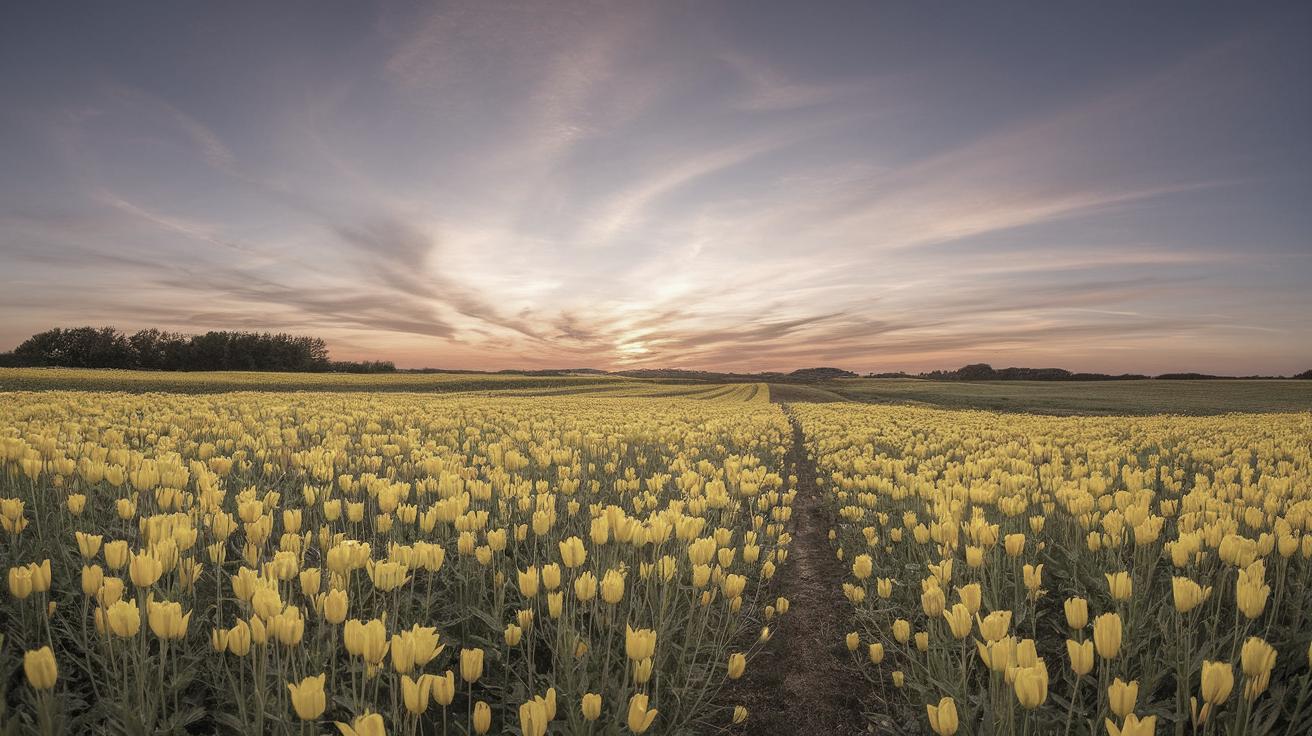
Beyond grandeur, shooting from below encourages creativity. Capture towering trees against a crisp sky, convey the might of a skyscraper, or bring attention to the textures of a path stretching toward the horizon. Experimenting with this angle can transform simple scenes into powerful, perspective-laden images that captivate the viewer.
From Behind
Photographing from behind introduces an air of mystery and invites viewers to imagine the story unfolding beyond the frame. This angle is a compelling choice for portraits and street photography, inviting audiences to engage with the image on a more personal level. By hiding the subject’s face, focus shifts to body language, attire, and the subject’s interaction with their environment.
This technique can capture candid moments by eliminating the awareness of being photographed. It often results in more authentic, natural images, as the subject is likely to act genuinely when unaware of the lens. This angle is particularly effective in travel photography, where it can convey a sense of exploration and personal reflection.
Incorporating environmental elements into ‘from behind’ shots is crucial. The surroundings contribute significantly to the image’s narrative, providing clues about the subject’s journey, destination, or mood. This angle allows photographers to create a sense of anticipation and curiosity, drawing viewers into the story in a way that more straightforward compositions may not.
From Eye Level
Shooting at eye level creates a natural, relatable perspective, putting the viewer on equal footing with the subject. This angle is universally effective for a wide range of photography genres, including portraiture, wildlife, and street photography. By replicating our everyday viewpoint, eye-level shots offer authenticity and straightforwardness.
Eye-level photography is particularly impactful for capturing emotion and expression in portraits. By aligning the lens with the subject’s gaze, a direct connection is established, conveying the subject’s emotions more effectively. This angle can foster empathy and intimacy, making it a popular choice for compelling portraiture.
Adjusting slightly higher or lower within the eye-level range offers subtle nuances to the composition. A slight upward tilt can convey optimism, while a downward tilt may introduce introspection. This refined control over perspective enables photographers to tailor the image’s emotional impact, subtly guiding the viewer’s interpretation.
Summary of Main Points
| Angle | Description | Uses |
|---|---|---|
| From Above | Captures a comprehensive overview or layout; often provides a sense of scale and connectivity. | Landscape photography, flat lays, revealing patterns. |
| From Below | Emphasizes height and power, often dramatizing the subject’s presence in the frame. | Portraits, architectural photography, enhancing subject prominence. |
| From Behind | Creates intrigue by focusing on the subject’s interaction with their environment, rather than their face. | Portraits, candid moments, travel photography. |
| From Eye Level | Offers a natural, relatable perspective; enhances authenticity and emotional connection. | Portraiture, wildlife photography, everyday scenes. |