How to Use Natural Light Effectively in Photos
Harnessing the power of natural light can transform your photography by enhancing textures, colors, and moods. This comprehensive guide delves into the intricacies of natural light in photography, its advantages, and techniques for maximizing its potential. From understanding its types and characteristics to tips on capturing the golden hour, we explore how natural light compares to artificial sources and what situations call for each. Equipping yourself with the knowledge to create stunning visuals, you’ll learn the nuances of shooting with natural light and how to define it in your work. Explore how thoughtful shot lists and storyboards can further hone your photographic vision, ensuring each click is a masterpiece in the making.
What is Natural Light in Photography
Natural light in photography refers to the use of sunlight, rather than artificial lighting sources, to illuminate your subject. It is an ever-changing element that photographers can manipulate to create different moods and effects in their work. The quality and character of natural light are influenced by various factors, such as the time of day, weather conditions, and geographical location. Understanding these variables is crucial for using natural light effectively.
One of the most rewarding aspects of using natural light is its ability to highlight and enhance the authenticity and natural beauty of your subjects. Unlike artificial lighting, which can often appear harsh or staged, natural light lends a genuine feel to photos. By learning to adapt to its shifting qualities, photographers can create compelling and emotive images.
Shooting with natural light
Shooting with natural light involves careful consideration of the environment and its impact on your subject. It’s essential to pay attention to factors such as the direction and intensity of light, as these will influence the outcome of your photograph. Positioning your subject relative to the light source can either enhance or detract from the image you want to achieve.
Different times of the day offer unique opportunities for photography. For example, early morning and late afternoon tend to provide softer and warmer tones, ideal for capturing portraits or landscapes. In contrast, midday sunlight, which is more direct and intense, can create strong shadows and highlights, demanding particular attention to exposure settings.
Natural Lighting Photography Tips
To make the most of natural lighting in your photography, consider using reflectors to bounce light onto your subject and reduce harsh shadows. Reflectors can be strategically placed to provide a balanced light that emphasizes facial features or highlights textures. Another tip is to utilize natural diffusers, such as clouds or sheer curtains, to soften the light.
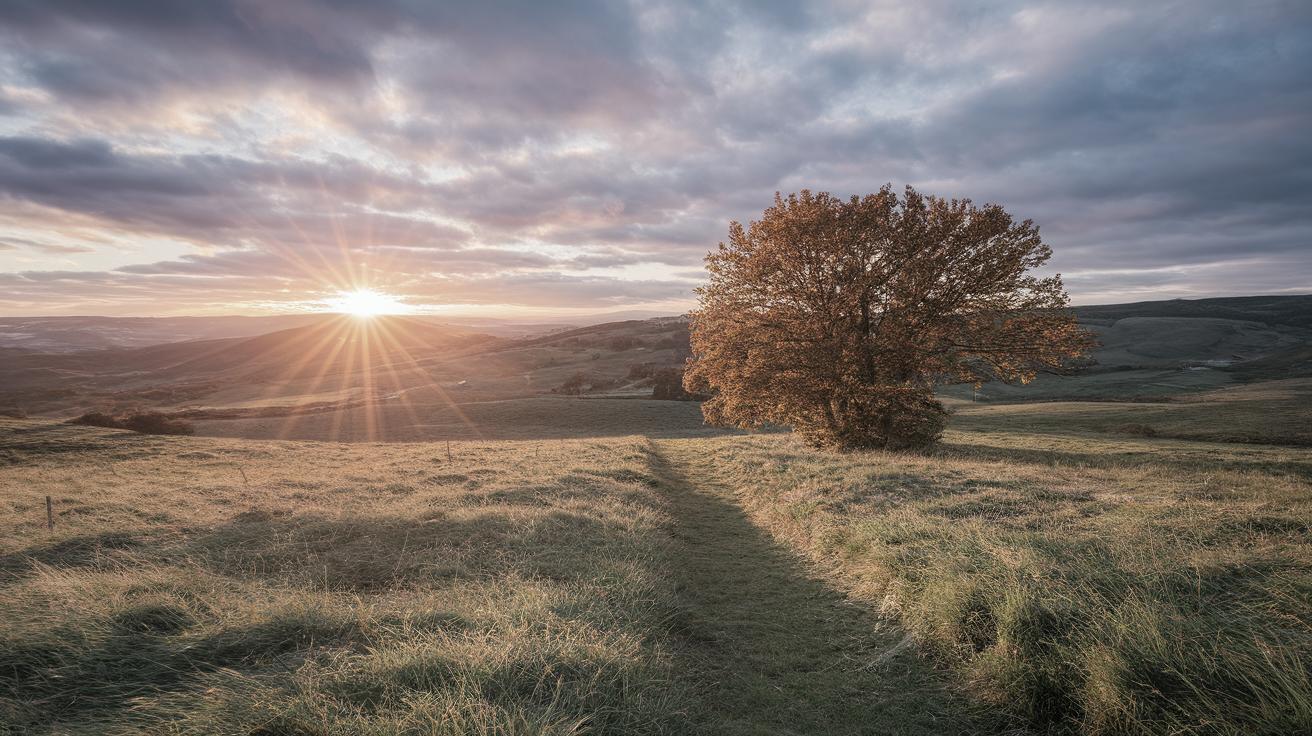
Mastering the art of backlighting can add drama and intrigue to your images. By positioning your subject between the camera and the light source, you can create silhouettes or halos that draw attention to specific aspects of your composition. Additionally, experimenting with different exposures can help you achieve the perfect balance of light and detail in your photos.
NATURAL LIGHT DEFINITION
Natural light is often defined by its source: the sun. This light is characterized by its soft yet dynamic qualities, which change throughout the day and under different environmental conditions. As one of the oldest and purest forms of illumination, it bridges the gap between realism and creativity in photography.
Natural light’s versatility allows photographers to adapt and create a wide range of atmospheres. The interplay between light and shadow provides depth and dimension, enhancing the storytelling potential of images. Understanding and defining natural light in your photographic style can help you convey your vision more distinctively.
What is natural light photography?
Natural light photography is a style that relies solely on ambient daylight to illuminate subjects, often leading to a more organic and atmospheric outcome. This approach demands a deep understanding of how light interacts with different surfaces and how to adapt camera settings to harness its natural beauty effectively.
As a practice, natural light photography celebrates simplicity, encouraging photographers to engage more intimately with their environment. It often results in images that feel less contrived and more reflective of the genuine moment or scene being captured. This authenticity appeals greatly to photographers who seek to tell compelling visual stories.
What is natural light in photography used for?
Natural light is an indispensable tool in photography, used to create a variety of visual effects, from glowing sunrise landscapes to intimate portraits bathed in soft afternoon sunlight. Its ability to naturally enhance colors and details makes it a preferred choice for photographers seeking vibrancy and depth in their images.
Moreover, natural light is often employed in documentary and street photography, where spontaneity is paramount. Its unobtrusive nature allows photographers to capture moments as they naturally unfold, lending a sense of realism and immediacy to the resulting images. Additionally, natural light is key in architectural photography, where it accentuates form and structure.
Natural Light Photography Breakdown
To fully utilize natural light, photographers must understand its various forms and the impact it has on their photos. This involves analyzing the quality of light, whether it is diffused or direct and its color temperature, which can dramatically alter the mood of an image. These elements are crucial when planning a shoot and selecting the appropriate settings.
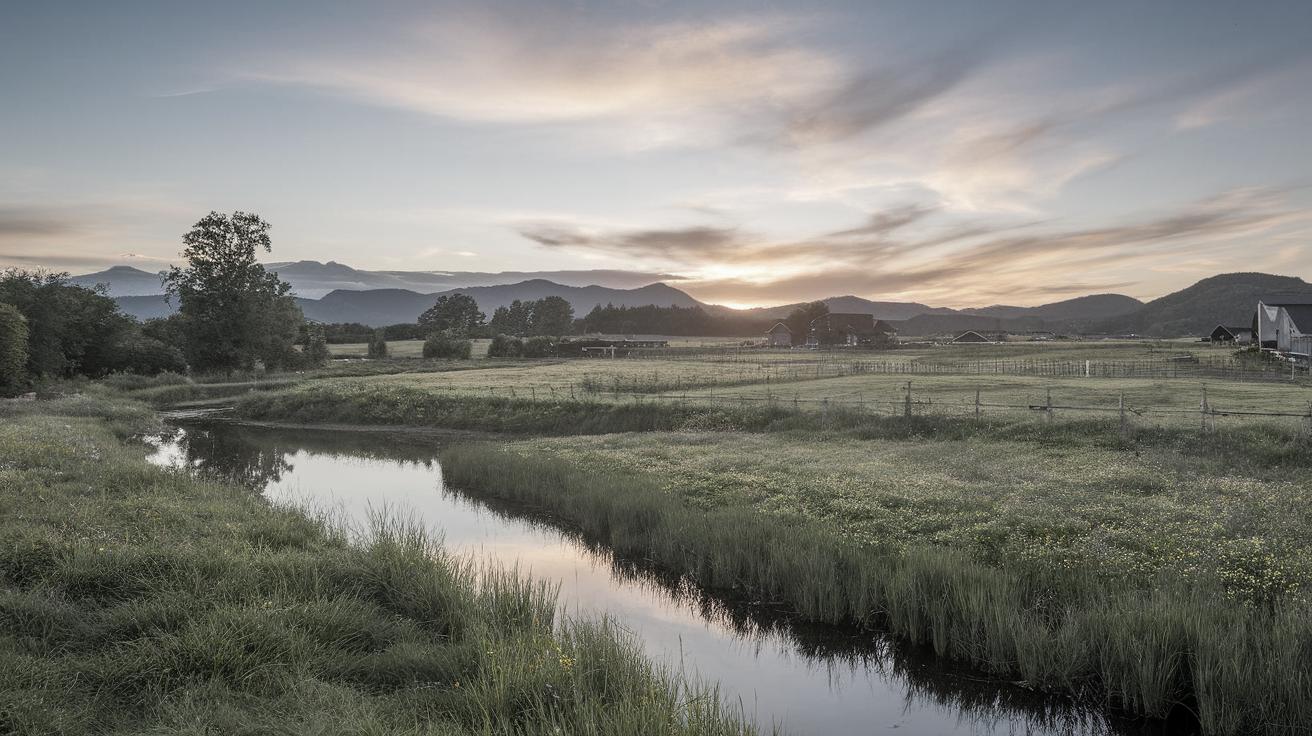
A breakdown of natural light usage includes taking advantage of unique conditions, such as the golden hour, when the sun is low on the horizon and casts a warm glow. This time is renowned for its soft light and long shadows, ideal for adding drama and mood. Mastering these skills can significantly enhance any photographer’s portfolio.
Characteristics of natural light
Natural light possesses distinct characteristics that are vital to consider for photography. These include its color temperature, which shifts from cool during early morning hours to warm at sunset. The intensity of the light also fluctuates throughout the day, influencing exposure settings and the desired effects in photography.
Additionally, the direction of natural light affects shadows and highlights, creating patterns and textures that photographers can exploit creatively. By understanding how these characteristics work together, one can better control the mood and feel of their images, leading to more impactful and aesthetically pleasing results.
Benefits of Using Natural Light
Utilizing natural light in photography offers numerous benefits, chief among them being cost-effectiveness and accessibility. Sunlight is a free resource, removing the need for extensive investments in lighting equipment. This advantage is especially beneficial for beginners and those working within limited budgets.
Natural light is also appreciated for its authenticity and ability to render subjects beautifully and realistically. Its inherent qualities can produce a range of effects, from dramatic contrasts to soft, flattering glows. This versatility makes natural light a favored choice for many professionals who seek to capture genuine moments with minimal post-processing.
Photos with natural light vs artificial
Photographers must often choose between natural and artificial light, each offering distinct advantages. Natural light is lauded for its variability and organic warmth, resulting in images that feel natural and inviting. However, it can be unpredictable due to weather changes and requires skillful planning to utilize effectively.
Conversely, artificial light provides greater control over the photography environment, allowing for consistency in illumination and more experimental techniques. Artificial lighting can manipulate scenes to create specific moods or mimic natural conditions, offering flexibility for creative expression. Deciding between the two involves considering the desired outcome and logistic factors.
Natural vs artificial light
The debate between natural and artificial light in photography centers on control versus authenticity. While artificial light grants photographers the ability to control every aspect of the lighting, from direction and intensity to color temperature, it may lack the organic charm found in natural light.
On the other hand, natural light presents a more challenging yet rewarding approach. It demands a keen eye and adaptability, as the brightness and hue of daylight can shift unexpectedly. This adaptability often results in breathtaking images that capture the essence of a moment more truthfully than artificial setups.
When is Golden Hour?
Golden hour is a term used to describe the period shortly after sunrise and just before sunset when the quality of the light is particularly flattering. During these times, the sun is low in the sky, casting a soft, warm light over the landscape, reducing harsh shadows, and enhancing colors.
For photographers, this translates to an ideal window for capturing portraits and landscapes that exude warmth and depth. The specific duration of the golden hour varies depending on the geographic location and the time of year, so planning is crucial to capitalize on this magical lighting.
Showcase your vision with elegant shot lists and storyboards.
Crafting a thorough shot list and storyboard can enhance your ability to convey your vision effectively when working with natural light. These tools provide a framework for organizing ideas and visualizing how lighting will interact with your subject, ensuring a cohesive and coherent visual narrative.
By considering the timing of natural light and its effects on the environment, you can more accurately plan your scenes and compositions. This foresight allows photographers to adapt swiftly to changing conditions and capture shots that align with their creative objectives, maximizing the impact of their work.
Related Posts
-
Mastering the Art of Composition in Photography
-
A Beginner’s Guide to DSLR Camera Settings
-
Exploring the Impact of Color in Visual Storytelling
Up Next
-
Understanding the Rule of Thirds in Photography
-
The Benefits of Using Prime Lenses
-
How to Develop Your Photography Style
Summary of Main Points
| Topic | Key Takeaways |
|---|---|
| Definition of Natural Light | Natural light is sunlight used for photography, offering genuine and dynamic illumination. |
| Benefits of Natural Light | Cost-effective, authentic, enhances colors and textures, and offers a variety of atmospheric effects. |
| Natural vs Artificial Light | Natural light provides organic warmth, while artificial light offers control and consistency. |
| Golden Hour | Occurs shortly after sunrise or before sunset, offering soft, warm lighting ideal for capturing vivid images. |
| Storyboards & Shot Lists | Help organize and plan photographic ideas, facilitating better utilization of natural light. |