How to Handle Reflections in Photography
Photography is an art that relies significantly on the manipulation of light and composition to capture stunning visuals. One of the more intricate but rewarding techniques within this art form is handling reflections. This blog post aims to explore the nuanced world of reflection photography. By delving into specific strategies such as finding ideal reflective surfaces like still water, selecting the right equipment, understanding camera settings, and employing effective post-processing techniques, photographers can elevate their skills. Throughout this guide, you’ll find actionable insights and tips for capturing awe-inspiring reflection photographs, enhancing both your technical ability and creative expression in this challenging yet rewarding pursuit.
Taking Good Reflection Photos is Both Challenging and Rewarding
Reflection photography pushes the boundaries of traditional techniques, providing photographers with unique opportunities to create mesmerizing visuals. Reflective surfaces add an intriguing element to photographs, often turning ordinary scenes into extraordinary art.
The challenge lies in the myriad factors that affect reflective images, such as light direction, surface texture, and color variance. Successfully addressing these challenges requires not only skill but a creative eye for framing compositions that utilize these elements effectively. Embracing these challenges allows photographers to produce stunning images that captivate viewers.
Find Still Water
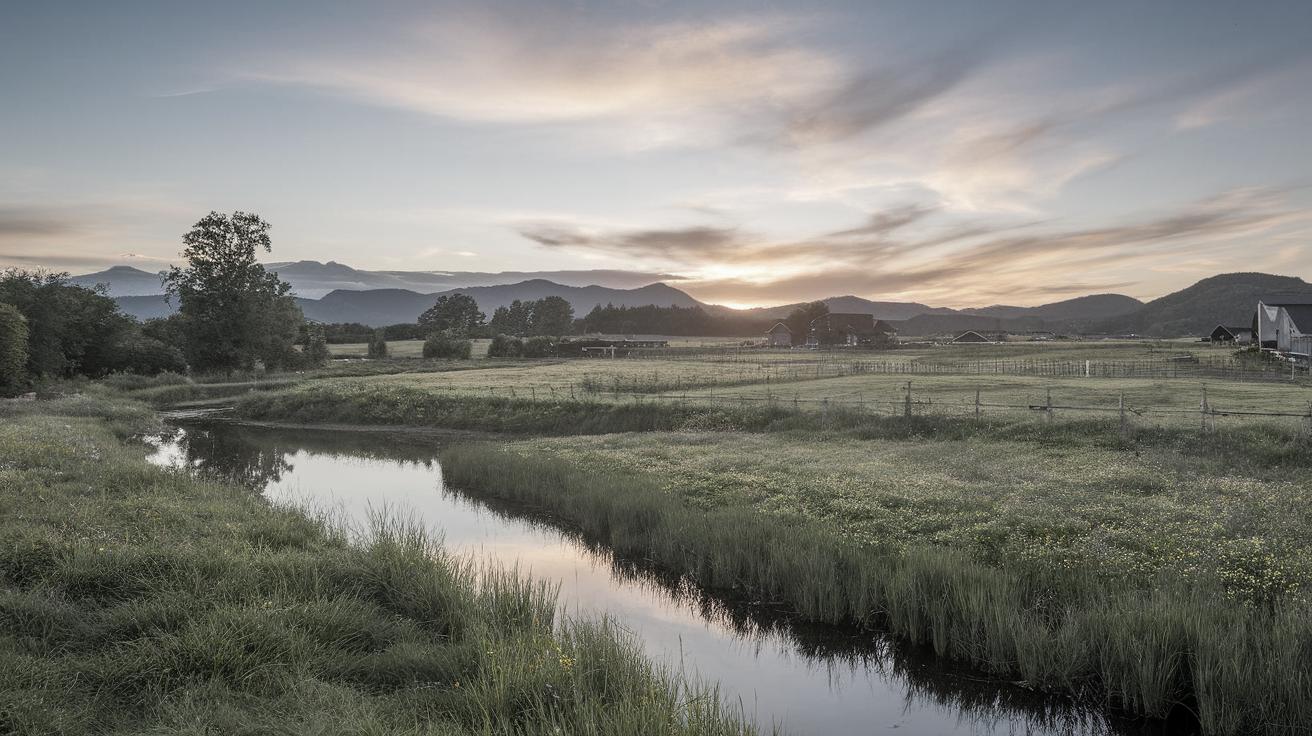
One of the most captivating themes in reflection photography involves finding and utilizing still water sources. Lakes, ponds, and even puddles can serve as reflective canvases that transform landscapes and urban scenes into works of art.
To maximize the potential of a water reflection, photographers should aim to shoot during the golden hours when the light is softer and the water surface is calmer. Additionally, positioning oneself at a low angle close to the water will further enhance the symmetry and depth of the reflections captured.
Equipment Considerations
Investing in proper equipment can greatly impact the quality of reflection photographs. A sturdy tripod is essential in maintaining stability, especially during longer exposure shots that are often necessary to capture smooth reflections.
Furthermore, utilizing polarizing filters to control glare and reflections gives photographers more control over the final image. Additionally, wide-angle lenses can capture expansive scenes, which add dramatic impact to reflective compositions.
Camera Settings
The correct camera settings can significantly affect the outcome of reflection photography. Shooting in manual mode provides the flexibility needed to adjust settings such as aperture, shutter speed, and ISO to suit environmental and lighting conditions.
Typically, a narrower aperture (higher f-stop) is beneficial for achieving a greater depth of field, which ensures both the reflection and background remain in sharp focus. Adjusting the shutter speed in response to lighting conditions is essential, as is experimenting with ISO levels to maintain image quality without unnecessary noise.
On-Location Tips and Considerations
When on location, scouting and understanding the environment is crucial for capturing impressive reflection photos. Consider how natural or artificial light interacts with reflective surfaces and anticipate changes as time progresses.
Additionally, incorporating other elements into the frame, such as seasonal foliage or architectural structures, can further enhance reflections and create captivating layers within the composition. Creativity and experimentation on location often yield the most intriguing visual outcomes.
Post-Processing Tips
Post-processing is a critical step in refining and enhancing reflection photographs. Tools within software like Adobe Lightroom or Photoshop allow photographers to adjust contrast, brightness, and shadows, accentuating the reflection within the image.
Using these tools, photographers can also address issues like glare or unwanted elements within the frame. Subtle alterations to saturation and color balance can bring out the vibrancy and allure of reflection photography, ensuring a polished and professional final product.
Related Articles
-
Mastering the Art of Long Exposure Photography
-
Compositional Techniques for Landscape Photography
-
Exploring Urban Photography: Tips and Tricks
Final Thoughts
As with any creative endeavor, reflection photography requires a balance of technical skill, creativity, and experimentation. By understanding and mastering the outlined strategies—from selecting the right conditions and equipment to refining images through post-processing—photographers can harness the beauty of reflections to elevate their photographic storytelling. The journey may be challenging, yet it is undoubtedly rewarding, offering endless opportunities for artistic growth and expression.
| Section | Summary |
|---|---|
| Introduction | Overview of reflection photography, emphasizing its artistic and technical aspects. |
| Taking Good Reflection Photos | Challenges and rewards of using reflections in photography to create captivating visuals. |
| Find Still Water | Importance of shooting near calm water bodies for ideal reflections, especially during golden hours. |
| Equipment Considerations | Recommendations for using tripods, polarizing filters, and wide-angle lenses to improve reflection photography. |
| Camera Settings | Utilizing manual mode and the right aperture, shutter speed, and ISO settings for optimal reflection capture. |
| On-Location Tips | Strategies for scouting locations and incorporating environmental elements into reflection photos. |
| Post-Processing Tips | Techniques for enhancing reflection photos through software to improve contrast, color, and overall image quality. |