How to Take Compelling Travel Photos
Travel photography is a mighty art that combines the essence of a place with the technical prowess of photography. This blog post serves as an in-depth guide to improving your travel photography skills, covering the fundamentals such as using light and color effectively, mastering framing and composition, and selecting essential gear for your journey. Whether you’re capturing breathtaking landscapes or bustling cityscapes, understanding these elements will help you tell compelling stories through your photos. Let’s embark on this journey to elevate your travel photography, making each shot as memorable as your travels.
A Guide to Travel Photography
Travel photography extends beyond just taking pictures of landmarks; it’s about capturing the soul of a place and the feelings it invokes. To accomplish this, a photographer must learn to see beyond the surface. Understanding the story behind each frame is crucial. Every location has its own unique characteristics, from the architecture and landscapes to local life and culture.
Each photograph should seek to convey a narrative or evoke an emotional response in the viewer. As you travel, immerse yourself in the surroundings, and observe the details that distinguish one place from another. Document them with an eye for storytelling, letting each frame unfold as a chapter in the larger travelogue of your journey. Practice keen observation, patience, and an open mind to see the extraordinary in the everyday.
Light and Color in Travel Photography
Weather and Light Conditions
The quality of light can transform a simple photograph into something magical. Pay attention to how different weather conditions affect lighting. Overcast skies often provide a soft, even light that can reveal intricate details, whereas harsh sunlight might create hard shadows but also offers opportunities for high-contrast images.
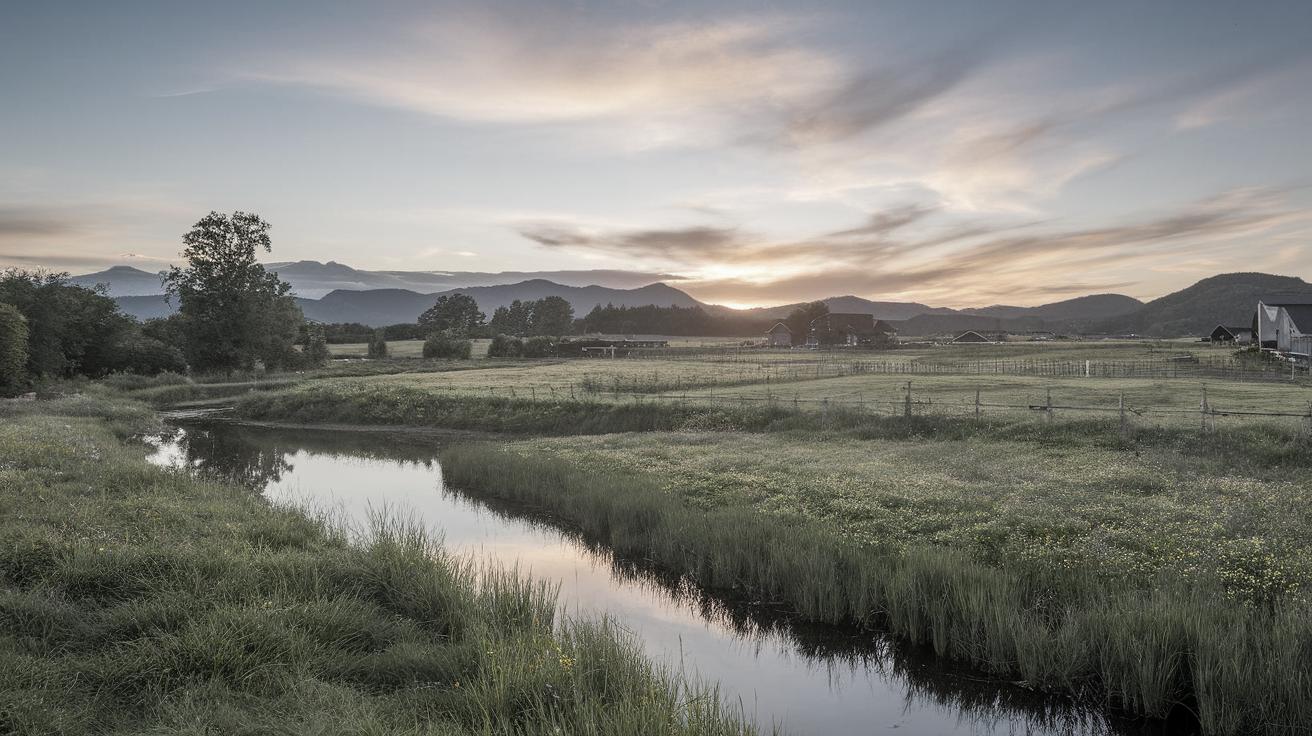
Golden hours, the times around sunrise and sunset, are often cherished by photographers for the warm, flattering light they provide. It’s also essential to understand the relationship between weather changes and light, such as how clouds can diffuse sunlight and create interesting effects.
Directions of Light
Understanding the direction of light is pivotal in shaping the mood of a photograph. Front lighting illuminates all details vividly but can sometimes lead to flat images. Side lighting, on the other hand, adds depth and texture to the subject. Backlighting can create striking silhouettes, emphasizing shape over detail.
Experiment with different light directions by moving around your subject, capturing multiple angles. This helps highlight interesting textures or create dramatic shadows, enhancing the visual narrative of your travel photos.
Color
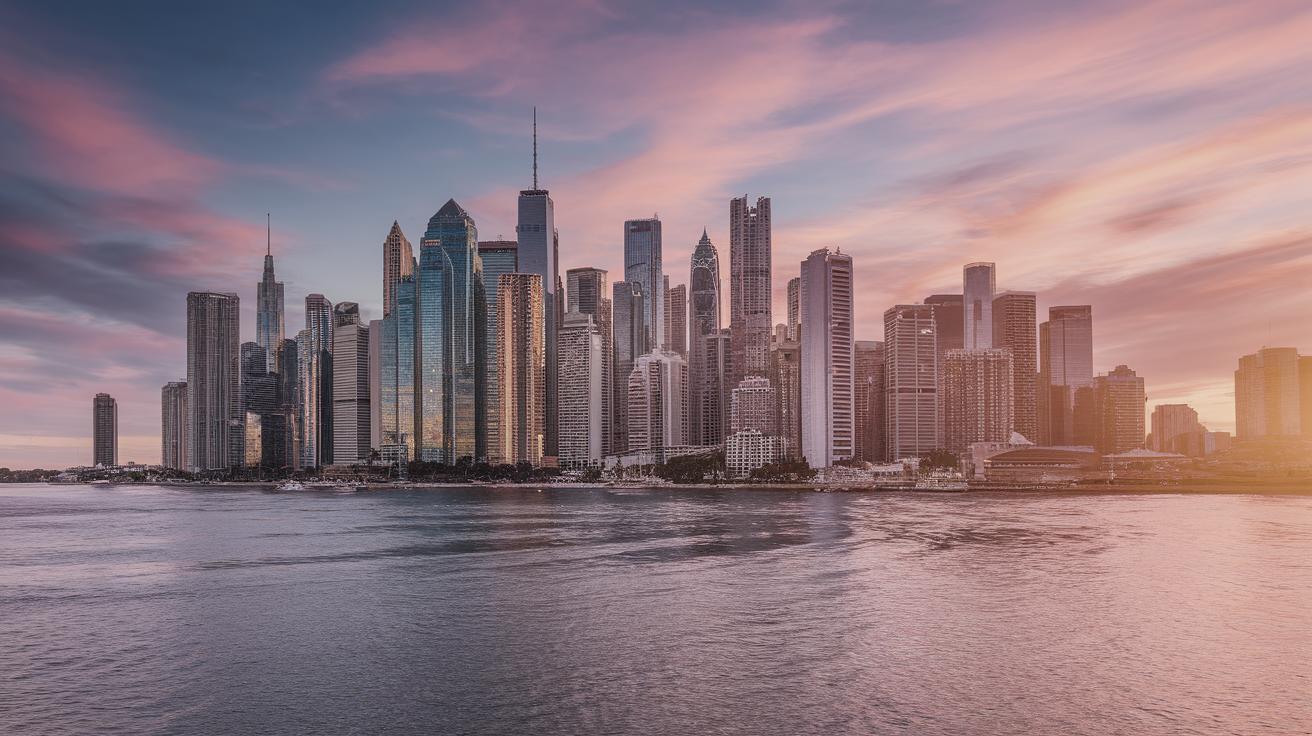
Color influences the mood and composition of a photograph significantly. Natural colors can be enhanced by environmental elements like sunsets, foliage, or urban landscapes. Pay attention to vibrant splashes of color that can serve as focal points to draw the viewer’s eye.
When editing your photos, consider subtle adjustments to enhance the natural hues without over-saturation. Balanced color not only adds life to the photo but also captures the authentic tone of the environment, delivering an image that resonates with reality.
Framing / Composition in Travel Photography
Be Clear About Your Subject
The composition of a photograph largely determines its impact. Start by clearly identifying the subject of your photo, and decide why this particular element draws your attention. This focus will guide your framing and perspective.
Employ compositional techniques like the rule of thirds, leading lines, and patterns to create engaging photos. Experiment with various perspectives to break away from traditional angles. High or low vantage points can offer new viewpoints that are usually overlooked by the casual eye, capturing the interest of your audience.
Travel Photography Gear Essentials – What to Bring
Choosing the right photography gear is crucial, as it can significantly impact your ability to capture high-quality images and share those captivating stories of your adventures. Depending on the nature of your trip, your gear requirements might vary, but a few essentials never change.
A versatile camera body is a must, paired with lenses suitable for wide landscapes and close-up shots. A sturdy tripod ensures sharp images in low light conditions, while spare batteries and memory cards prevent you from missing any amazing moments. Lightweight and durable bags help carry your gear comfortably, and they protect it from elements during travels.
Accessories such as filters, including polarizing and neutral density filters, can enhance landscape photography by managing reflections and controlling exposure in bright conditions. Ensure that you’re prepared for diverse photography opportunities by equipping yourself with the right tools.