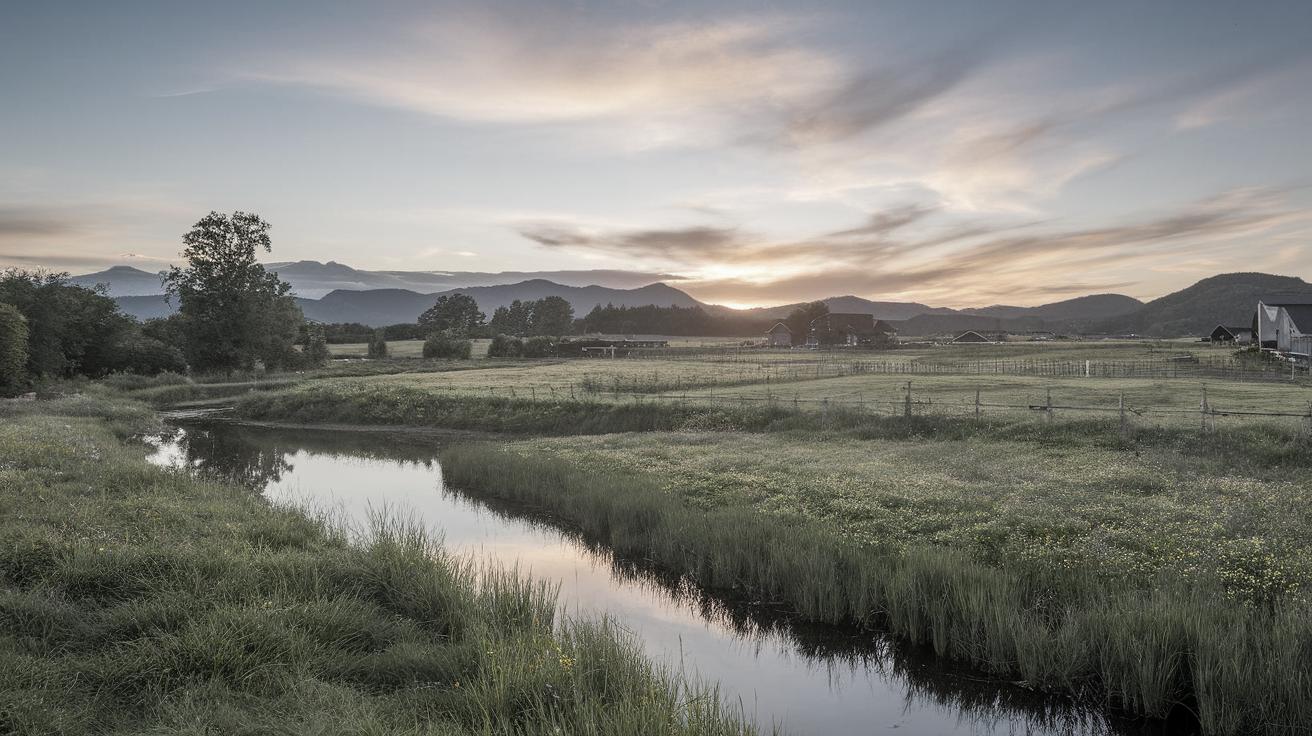
How to Use Filters to Enhance Photographs
Photography is an art form that allows us to capture moments and express creativity in unique ways. An essential tool in photographers’ arsenal are camera lens filters. These filters can drastically alter the outcome of a photograph, enhancing its color, contrast, and clarity. In this blog post, we’ll explore the most popular types of camera lens filters, including UV, polarizing, and various neutral density filters, and how they each contribute to achieving breathtaking photographic effects. Furthermore, we will delve into other filters like color, diffusion, close-up, and special effects filters. Finally, we’ll provide guidance on how to choose the right filters for your photographic needs.
Most Popular Types of Camera Lens Filters
UV Camera Lens Filters
UV camera lens filters, often referred to as ultraviolet filters, are one of the simplest types of filters used in photography. Historically, these filters were utilized to reduce the haze caused by ultraviolet light, particularly in film photography. Though digital sensors are less susceptible to UV interference than film, many photographers still employ UV filters primarily as lens protection. They safeguard the lens from dust, scratches, and smudges without altering the photo’s color balance or exposure.
In terms of usage, a UV filter is virtually transparent and lightweight, making it an optimal choice for everyday photography. It doesn’t interfere with image quality or add noticeable effects, which appeals to those who prioritize lens safety. While some argue that a lens cap can suffice for protection, the minimal investment in a UV filter provides an added layer of security.
Polarizing Camera Lens Filters
Polarizing filters are invaluable for enhancing contrast and color saturation in landscape photography. They work by reducing reflections and glare from non-metallic surfaces like water and glass, allowing for vibrantly enhanced skies, greener foliage, and clearer water bodies. By rotating the polarizing filter, photographers can control the intensity of the filter’s effect and customize the desired look.
These filters are also effective in diminishing atmospheric haze in distant landscapes, producing images with depth and clarity. The trade-off, however, is the reduced light reaching the sensor, requiring adjustments in exposure settings. Despite this, polarizing filters remain a popular choice for achieving striking visual improvements in outdoor photography.
Neutral Density (ND) Camera Lens Filters
Neutral density (ND) filters are essential for controlling exposure and achieving motion blur effects in bright lighting conditions. They uniformly reduce the amount of light entering the lens, allowing photographers to use slower shutter speeds or larger apertures even on sunny days. This makes ND filters particularly advantageous for capturing waterfalls, oceans, and other moving elements with a smooth, flowing effect.
There is a range of ND filters, each marked by the strength of light reduction it provides, such as ND2, ND4, ND8, etc. As the ND value increases, the amount of light blocking increases, offering creative flexibility in various lighting scenarios. ND filters are a vital tool for photographers pursuing both artistic and technical precision in their captures.
Variable Neutral Density (VND) Camera Lens Filters
Variable Neutral Density (VND) filters offer dynamic control over light exposure levels, merging the benefits of multiple ND filters into one. By simply rotating the filter, photographers can adjust the darkness level instead of switching between individual filters. This innovation provides significant convenience in the field and enables quick adaptability to changing lighting conditions.
VND filters are perfect for videographers as well, allowing fluid adjustments in exposure without halting shooting. The versatility and efficiency of VND filters make them a popular choice for both hobbyists and professionals alike who seek seamless transition between diverse photographic environments.
Other Types of Camera Lens Filters
Colour Camera Lens Filters
Color filters are used to enhance or alter the colors within a photograph. They can add warmth, coolness, or even create stark contrasts, allowing for expressive and intentional color effects. Filters vary in the color they introduce and can achieve luminous sunrises and sunsets, enhance skin tones, or correct color imbalances.
These filters remain highly popular in black-and-white photography as they affect tonal contrast. For instance, a red filter can darken skies and increase contrast, visible in many striking monochrome images. Utilizing color filters creatively can add a new dimension to your photographic storytelling.
Diffusion Camera Lens Filters
Diffusion filters produce a soft-focus effect, perfect for portrait or glamour photography. These filters subtly blur harsh lines and details, giving subjects smooth, pleasing appearances. The dreamy quality imparted by diffusion filters can evoke a sense of nostalgia or ethereal beauty within an image.
Commonly used in Hollywood-style cinematography, diffusion filters help soften imperfections without significantly altering the original colors or exposure, retaining most of the photo’s detail. By gently taming sharpness, they lend an elegant and classic aura to portraits, offering versatility across different genres of photography.
Close-Up Camera Lens Filters
Close-up filters, also known as diopter filters, function like a magnifying glass for your camera lens. These filters are a cost-effective way to explore macro photography, allowing you to focus closer to your subject. They are beneficial for capturing intricate details of small objects and subjects like flowers, insects, or textures.
Available in varying strengths, such as +1, +2, +4, etc., close-up filters can be stacked to increase their magnifying effect, providing flexible options for photographers enhancing detail in their macro work without investing in specialized lenses.
Special Effects Camera Lens Filters
Special effects filters are designed to alter the visual impression of a photograph in unique ways. Each filter produces its artistic consequence, such as star filters that create diffraction spikes from light sources or kaleidoscope filters that multiply images for creative abstraction.
These filters are integral to achieving unconventional visual effects directly through the lens, reducing the need for post-processing. They encourage experimental and playful photography, offering a means to create distinctive and expressive images that capture attention.
Choosing the Right Camera Lens Filter for Your Needs
Selecting the appropriate camera lens filter requires consideration of your specific photographic goals. Factors include environmental conditions, desired photographic outcome, and the subject matter. Understanding the characteristics of each type of filter helps leverage their strengths effectively in your shoots.
Begin by assessing the type of photography you engage in most frequently. For outdoor and landscape enthusiasts, polarizers and ND filters can become indispensable. Portrait photographers may gravitate towards diffusion and color filters, while macro fans might find close-up filters invaluable. Ultimately, the right filter enhances your creative vision while complementing your artistic style.
Lessons Learned
| Filter Type | Function | Usage |
|---|---|---|
| UV | Protects lens from UV light and physical damage | General use, lens protection |
| Polarizing | Reduces glare and enhances color contrast | Landscape and outdoor photography |
| Neutral Density (ND) | Controls exposure by reducing light | Long-exposure and motion blur effects |
| Variable Neutral Density (VND) | Adjustable light reduction | Versatile use across changing lighting |
| Colour | Alters or enhances colors | Creative color effects, black-and-white contrast |
| Diffusion | Softens details for smooth effect | Portrait and glamour photography |
| Close-Up | Magnifies subjects for macro photography | Detail-focused small objects |
| Special Effects | Creative visual image alterations | Artistic and experimental photography |