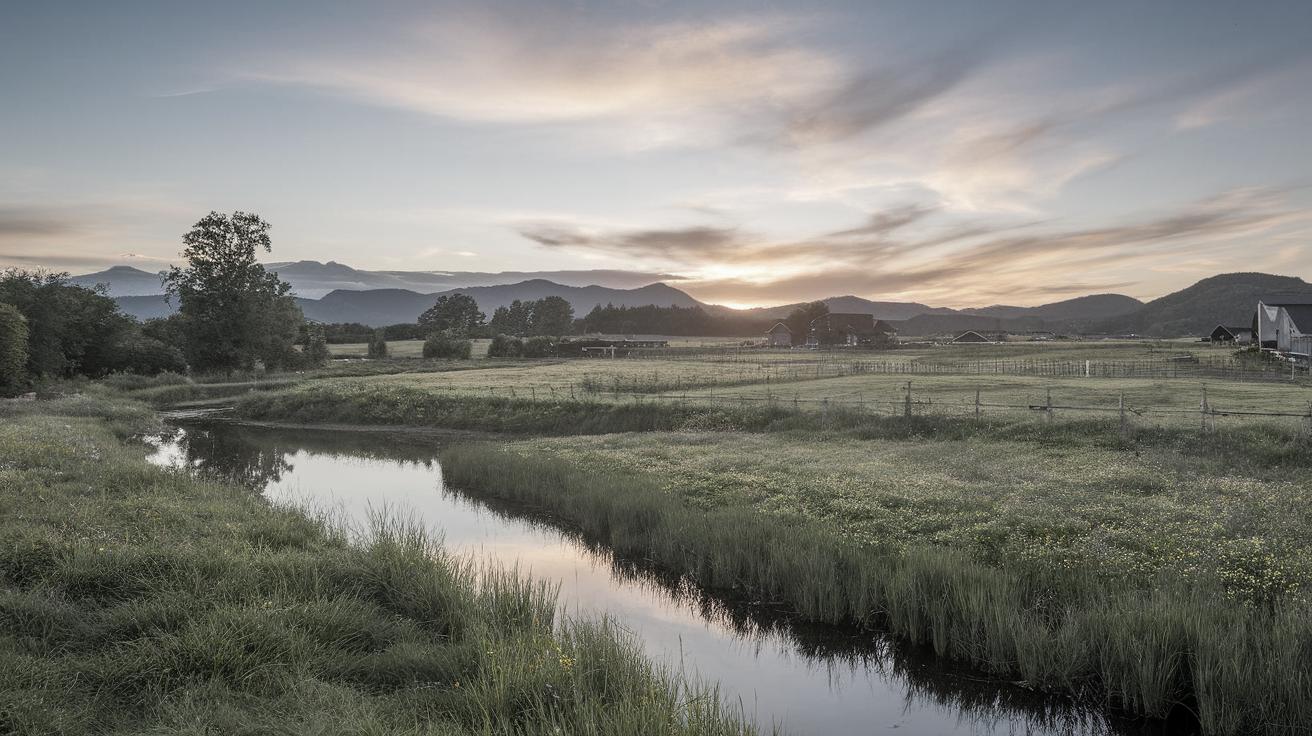
Exploring the Characteristics of HDR Photography
HDR photography, or High Dynamic Range imaging, is a powerful technique in the realm of modern photography that has the potential to transform ordinary photos into stunning works of art. In this blog post, we will delve into the key characteristics that make HDR photography so compelling. We’ll start by explaining what HDR photography and exposure blending are, providing a foundational understanding of their purpose. Next, we’ll explore the concept of dynamic range, a crucial element that influences the outcome of HDR images. We’ll describe the two ways to perceive dynamic range, an area often misunderstood by photography enthusiasts. Finally, we’ll offer a practical guide on how to capture and create HDR photographs, equipping you with everything needed to start experimenting with this innovative technique. By the end, you’ll have a comprehensive grasp of what makes HDR photography unique and how to harness its potential in your own work.
What is HDR Photography/Exposure Blending?
HDR photography, standing for High Dynamic Range, is a technique used in photography to reproduce a greater range of luminosity than what is possible with standard digital imaging or photographic techniques. It involves capturing multiple photographs of the same scene at different exposure levels. These images are then blended together using specialized software to create a single image with enhanced detail and color depth. The intent behind HDR is to produce an image closer to the range of intensity levels we see with the human eye.
Exposure blending, which often goes hand-in-hand with HDR photography, refers to the process of selectively combining differently exposed images to highlight desired areas. While HDR is often achieved through automated processes within photography software, exposure blending may be more manual and specific, providing photographers the creative control to keep detail in both the shadows and highlights. This technique helps maintain texture in bright skies or in foreground shadows, which would otherwise be lost with a single exposure.
What is Dynamic Range?
Dynamic range in photography refers to the ratio between the maximum and minimum light intensities that a camera or image sensor can capture. It is an essential concept that plays a significant role in HDR photography. Essentially, the dynamic range is the spectrum of detail from the darkest shadows to the brightest highlights within an image. The higher the dynamic range, the more details in shadows and highlights can be preserved without them turning completely black or white.
Many scenes we encounter in real life feature a dynamic range far exceeding the capabilities of traditional cameras. For example, capturing both the detail in a bright sky and the shadows of a landscape underneath can be challenging. This is where dynamic range becomes crucial. Cameras with higher dynamic ranges are better suited for such tasks, though even they can sometimes fall short, hence the need for HDR techniques to make up for these limitations.
The 2 Ways to Look at Dynamic Range
When discussing dynamic range, one way to view it is through the lens of hardware capabilities – what your camera or sensor is inherently capable of capturing. Cameras with a higher intrinsic dynamic range can naturally capture a wider expanse of light intensities, which can be especially advantageous in high-contrast scenes. When choosing a camera, understanding the native dynamic range of its sensor can be a critical factor in maximizing your photographic results.
Another perspective considers the post-processing phase, where software comes into play. While a camera’s sensor has a fixed maximum dynamic range, various software solutions can extend the perceived dynamic range of the captured images. This is achieved through techniques like exposure blending and tone mapping within HDR software. The capabilities of such software have advanced significantly, allowing photographers to manipulate and extend the dynamic range further, resulting in images with a far more expansive scope of luminosity.
How to Take an HDR Photograph
Taking an HDR photograph typically starts with capturing a series of bracketed exposures of the same scene. Bracketing involves shooting several images in quick succession, each at different exposure levels – for instance, one underexposed, one correctly exposed, and one overexposed. The goal is to capture every possible detail in both the shadows and highlights, which can later be merged into a single HDR image using software.
To capture quality HDR images, a stable platform is paramount, as any slight movement between shots can lead to ghosting or misalignment in the final image. A tripod is an essential tool for this reason. Additionally, using a camera with auto exposure bracketing (AEB) can simplify the process. Once you’ve captured your series of images, the next step is to import them into HDR processing software which compiles the photos into a single HDR image. This composite photo will showcase an expanded dynamic range, with enhanced details in both the darkest and brightest areas.
As you develop your HDR photography skills, experiment with different scenes and lighting conditions. HDR works particularly well with scenes with large contrast differences, such as sunsets, cityscapes at night, or indoor scenes with bright windows. Always strive to achieve a natural look in your final images – while HDR offers powerful creative possibilities, it should not compromise on maintaining a natural aesthetic.
Summary of Main Points
| Topic | Key Insights |
|---|---|
| What is HDR Photography/Exposure Blending? | HDR uses multiple exposures to capture a full range of light. Exposure blending manually combines exposures for detailed highlights and shadows. |
| What is Dynamic Range? | Dynamic range is the light spectrum a camera can capture; higher ranges preserve more details in shadows and highlights. |
| The 2 Ways to Look at Dynamic Range | Hardware: The camera’s sensor capabilities. Software: Extends dynamic range further using HDR techniques and software. |
| How to Take an HDR Photograph | Involves bracketing, stable setup with a tripod, and software blending of exposures for an image with extended dynamic range. |