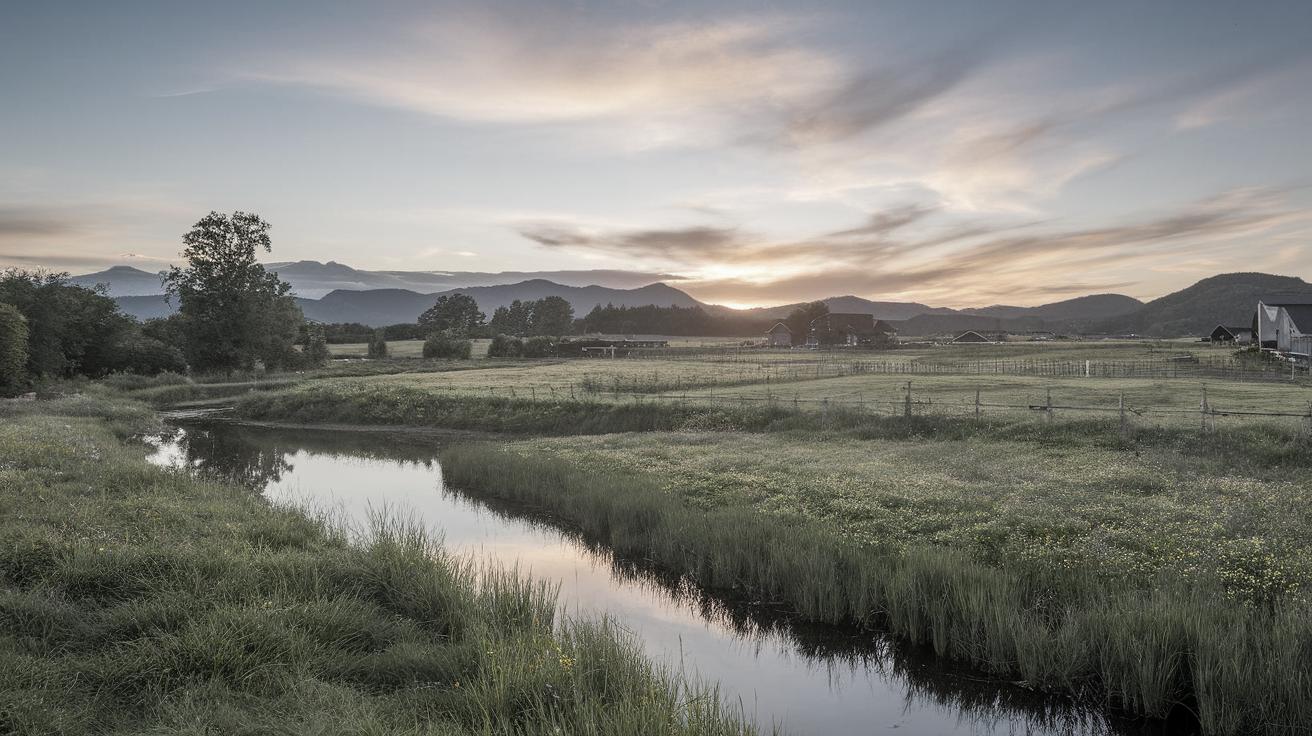
Exploring Minimalist Photography: Methods and Examples
Minimalist photography is a genre that employs simplicity and purity to convey the essence of its subject. It is an art form that strips away distractions, focusing on a limited number of elements to create something that’s not only striking but also communicates a message or story with clarity and elegance. In this article, we delve into various techniques that define minimalist photography, from long exposure to black and white imagery. We’ll also discuss utilizing color, negative space, sense of scale, still life, and human subjects, providing insights and examples to help you explore and master minimalist photography.
What is Minimalist Photography?
Minimalist photography, like minimalist art, seeks to remove clutter from the image to emphasize a subject. This genre challenges photographers to distill scenes down to the bare essentials, focusing primarily on composition and elements within the photo that hold the most importance. By doing so, minimalist photography captures the viewer’s attention with powerful, yet clean imagery.
This art form often leverages plain backgrounds, repeating patterns, and isolated subjects. The use of ample negative space is common, allowing the subject to breathe within the frame and enabling observers to focus on what’s most vital without external distractions.
Example 1 – Long Exposures Photography
Long exposure photography is a technique that can beautifully align with minimalism. It involves taking photos over an extended period, usually requiring the use of a tripod to prevent blurring. The result is often surreal and peaceful imagery, with elements like water or clouds appearing smooth and ethereal against a starkly composed background.
When using long exposure, one can capture the essence of time and motion while maintaining a singular focus. This method highlights simplicity and enhances the sense of calm within a photograph, making it a perfect companion to minimalist aesthetics.
Example 2 – Black and White
Black and white photography has been a classic favorite for creating minimalist images. By stripping photos of color, photographers can focus on contrast, texture, and form to convey emotions and narratives. This technique enhances aspects like shadows, shapes, and patterns within the composition.
A monochromatic palette removes the distraction of colors, allowing viewers to engage with other elements of the photograph, such as structure and lighting. Black and white has a timeless quality that can enhance the simplicity of a minimalist shot, highlighting the essential elements of the composition.
Example 3 – Colour
While black and white can be synonymous with minimalism, the use of color in minimalist photography should not be underestimated. Essential to this approach is the focus on bold, primary colors or subtle, pastel tones that occupy a limited space within the frame. Colors can be used to draw attention to the subject or to set a mood.
With careful selection and placement, color can become a powerful tool in minimalist photography. By ensuring that the color palette is kept simple, photographers can maintain the purity of minimalism while adding vibrancy and dimension.
Example 4 – Negative Space
Negative space is a hallmark of minimalist photography. This technique involves intentionally leaving large portions of the frame empty to highlight the subject. The power of negative space lies in its ability to create a sense of calm, isolation, or scale, depending on how it is employed.
Incorporating negative space invites the audience to pause and contemplate the subject, offering a visual breath within the composition. The balance between the subject and empty space can lead to striking compositions that communicate tranquility and focus.
Example 5 – Sense of Scale
Creating a sense of scale can enhance minimalist photography by juxtaposing a small subject against a vast background. This contrast emphasizes the size relationship and can evoke emotions ranging from awe to tranquility.
Using natural landscapes with a solitary figure or object in the foreground is a powerful way to create this effect, placing human existence into perspective amidst expansive surroundings. Such compositions forge a deep connection between the viewer, the subject, and the environment.
Example 6 – Still Life
Still life photography offers endless opportunities for minimalist expression. By arranging everyday objects with precision and thought, photographers can produce images that are both simple and profound. The key lies in careful selection and positioning of items, utilizing negative space and lighting to enhance textures and shapes.
This genre allows for experimentation within a controlled environment, often leading to artistic reflections on mundane subjects. The emphasis on composition, color harmony, and space translates into striking minimalist images that provoke reflection.
Example 7 – People
Incorporating people into minimalist photography can add an emotive and narrative element to the images. The key is to simplify the elements around the subject to emphasize their presence and expression. This approach can create powerful portraits that speak volumes through simplicity.
Positioning the human subject in harmony with their environment can foster a connection with viewers, evoking feelings of solitude, reflection, or serenity. The challenge lies in balancing minimalism with the natural complexity humans bring, creating cohesive yet poignant images.
Like This? – Check Out Similar Tutorials Below
-
The Art of Negative Space
-
Mastering Long Exposure Settings
-
Creating Captivating Monochromatic Images
About the Author
Lucas Martin is a passionate photographer and digital content creator with a sharp eye for innovation and technology. With a background in journalism and communications, Lucas enjoys exploring creative storytelling through the lens. When not behind a camera, he is often found traveling and discovering new ways to showcase the beauty of minimalism in photography.
Summary of Main Points
| Technique | Key Features |
|---|---|
| Long Exposures | Captures time and motion; smooth, ethereal effects. |
| Black and White | Focuses on contrast, form, and emotion without color distractions. |
| Colour | Uses bold or subtle hues to highlight subjects or set mood. |
| Negative Space | Emphasizes the subject by incorporating large empty areas. |
| Sense of Scale | Contrasts subject size against vast backgrounds for emotional impact. |
| Still Life | Arranges objects to enhance textures, shapes, and composition. |
| People | Simplifies elements around individuals to emphasize presence and emotion. |