Mastering the Art of Leading Lines in Photography
Photography is an art form that captures moments, tells stories, and inspires emotions. One of the most powerful techniques in photography composition is the use of leading lines. Leading lines are visual guides that lead the viewer’s eye through the composition, often drawing attention to the main subject. This guide will explore what leading lines are, how to effectively use them in your photography, and provide examples for inspiration. By incorporating these techniques into your work, you’ll elevate your photography skills and create more dynamic and engaging images.
What are Leading Lines in Photography?
Leading lines are compositional elements that help draw the viewer’s eye through a photograph. These lines can be straight, curved, or even implied, often stemming from natural or man-made objects such as roads, rivers, fences, or architectural elements. They guide the viewer’s gaze from one part of your image to another, often directing them to a focal point or subject, such as a person, building, or natural wonder.
The concept of leading lines plays a crucial role in creating depth and perspective within a photo. By utilizing these lines, photographers can convey a sense of movement and flow, making images feel dynamic and compelling. Whether subtle or bold, leading lines serve as a powerful tool in the composition that influences how an image is perceived.
How to Use Leading Lines in Photography
To effectively use leading lines in your photographs, start by identifying the lines present in your environment. Consider roads, bridges, walls, or even tree branches. Position your camera so that these lines naturally guide the viewer’s eye towards your desired focal point. Experiment with different angles and perspectives to see how the lines interact with the rest of your composition.
Incorporating leading lines can also enhance the storytelling aspect of your photography. By guiding the viewer’s eye, leading lines can create a narrative or emotional connection. They aid in establishing a visual hierarchy, ensuring that the audience focuses on the core message or subject of your photograph.
Examples of Leading Lines in Photography
A classic example of leading lines is a photograph of a long, winding road that disappears into the horizon. The road acts as a pathway for the viewer’s gaze, leading them through the scene and towards the focal point. Another example is a row of trees lining a pathway, which guides the eye towards a beautiful sunset or architectural structure.
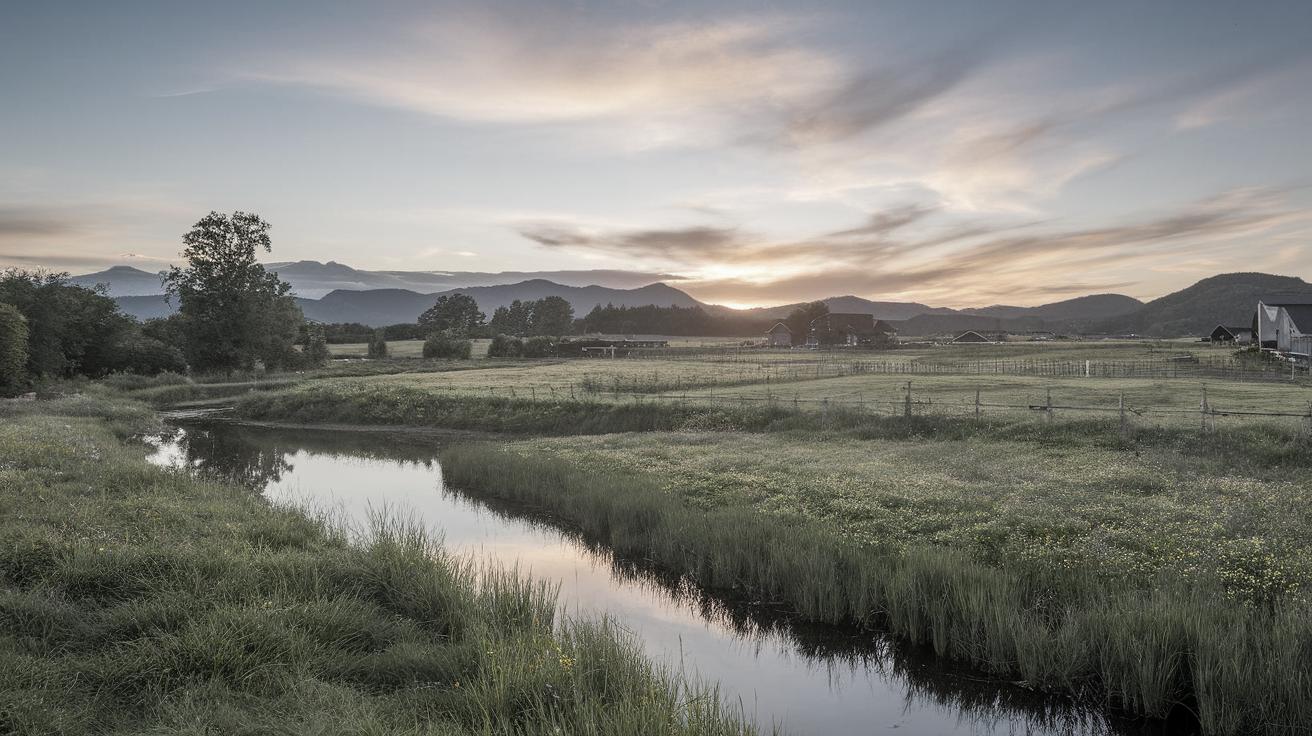
Architectural photography often relies on leading lines found in staircases, railings, and building edges. These elements can direct attention to the grandeur of a structure or the intricate details of its design. Additionally, natural landscapes often offer organic leading lines, such as the curve of a coastline or the flow of a river, which draw viewers into the majesty of the natural world.
Summary
Leading lines are a fundamental aspect of powerful photographic compositions. By thoughtfully incorporating lines into your work, you can create images that are visually appealing and compelling. Understanding how to identify and utilize these lines will enable you to tell richer stories and attract viewer attention effectively.
Lessons Learned
| Section | Key Points |
|---|---|
| What are Leading Lines in Photography? | Leading lines are visual guides in a photo leading the viewer’s eye, often to the main subject, creating depth and perspective. |
| How to Use Leading Lines in Photography | Identify potential lines in the scene, use them to guide viewer’s focus, enhancing composition and narrative. |
| Examples of Leading Lines in Photography | Roads, pathways, architectural elements, and natural features can serve as effective leading lines in photos. |
Recommended For You
-
Understanding Depth in Photography Composition
-
Mastering the Rule of Thirds for Better Photos
-
An Introduction to Perspective in Photography