Essential Tips for Architectural Photography
Architectural photography is an art form that blends the creative with the technical to capture the essence of a structure. Whether you’re an aspiring photographer or a seasoned veteran, capturing the majesty and intricacy of buildings can be challenging. This guide offers essential tips, from researching before the shoot to using post-processing tools, designed to help you improve your architectural photography skills. We’ll explore key factors like lighting, angles, and the importance of weather conditions to ensure your imagery stands out. Dive into these strategies to create compelling shots that convey both the grandeur and the subtle details of architecture.
Research the Building Beforehand
Before picking up your camera, take the time to research the building you plan to photograph. Understanding its history, architectural style, and any notable features can provide invaluable context and inspiration. Look into the building’s purpose and role in its urban environment, which can serve as a narrative element in your photography.
Studying images of the structure taken by other photographers can also offer insight into potential challenges, such as lighting issues or obstructions. Assessing these images can help you determine what has been done before and identify opportunities for unique shots that have yet to be explored.
Shoot in a Variety of Weather Conditions and Times of Day
The magic of architectural photography often lies in the interplay between structures and their environments. Weather conditions and lighting can dramatically alter the mood of your photos, offering a broader palette to work with. From the soft light of a foggy morning to the dramatic shadows cast by the evening sun, every weather condition brings its own opportunity.
By visiting the site at different times of day, you can capture the unique way light interacts with the building. Early morning can provide a calm, clear atmosphere, while dusk might cast dramatic shadows, enhancing the textures and forms of the architecture.
Prioritize Good Lighting
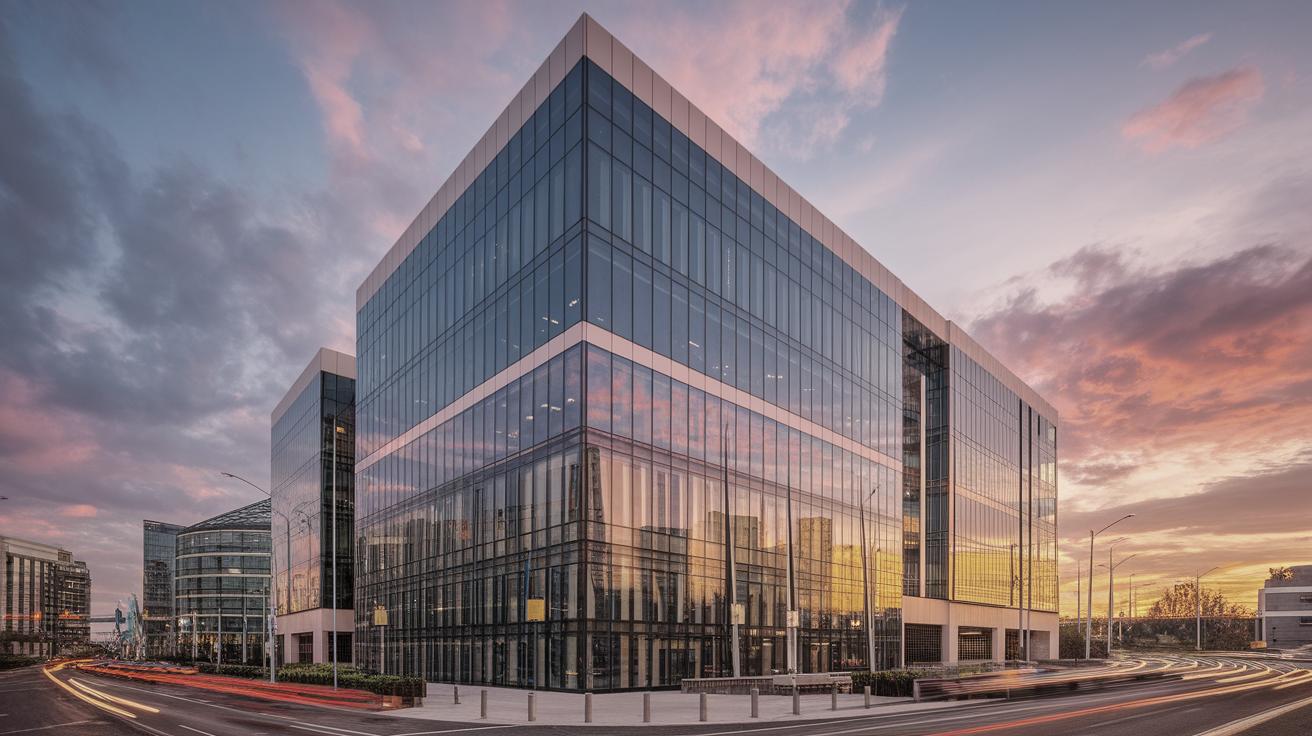
Lighting is a critical component of any photograph, but it becomes even more crucial in architectural photography. Great lighting can reveal an overlooked detail that might otherwise go unnoticed. Aim for golden hour lighting—either shortly after sunrise or before sunset—to get that soft, diffused glow.
Be mindful of natural and artificial lighting. While natural light feels authentic and pure, evening shots might leverage streetlights or interior lighting to create a compelling contrast that highlights the structure in a new way.
Look for a Unique Angle
Approaching a building from the same perspective as others can make your work blend in instead of stand out. Experiment by exploring different vantage points and angles, which can give the viewer a fresh perspective. This might mean crouching down, finding a nearby rooftop, or shooting from an adjacent building to feature parts of the architecture that are less commonly admired.
While traditional frontal views of a building have their place, side and angular views can reveal shadows and textures that add depth and intrigue. Push yourself to see the structure differently, and your creativity will bring forth more compelling and memorable images.
Don’t Be Afraid to Include People (Architecture Doesn’t Exist Without Them)
Including people in architectural photography humanizes the building and demonstrates its interaction with the world around it. Consider how people use the space, their activities providing scale to the grandiosity of the structure. Strategically placing people in your shots can enhance storytelling and lead to more dynamic imagery.
Whether it’s a bustling crowd or a solitary figure, the inclusion of people can convey movement, purpose, and life within the space, enriching the narrative you intend to share through your photos.
Explore Details as Much as the Whole
While capturing the grandeur of architecture is vital, don’t neglect the details. Architectural marvels often include intricate designs that tell their own story—be it the pattern of brickwork, the texture of a material, or the design of a window frame.
Close-up shots of these elements can be just as powerful as expansive views. They provide a deeper understanding of the craftsmanship involved and serve as a testament to the artistry integrated within the architecture. Be prepared to zoom in and capture these hidden treasures.
Try Not to Objectify the Building
Rather than treating the structure as a static subject, showcase its role within its environment. A building can tell a dynamic story about the culture, time period, and societal influences that shaped it. This approach invites viewers to see architecture as a living entity within a larger narrative.
Connections between a building and its surroundings reveal much about its purpose and value. Consider its environmental relationships, how it serves the community, or its symbolic significance—all layers that can deepen the impact of your imagery.
Use Post-Processing Tools
While the initial photograph should capture the essence of the structure, post-processing tools can enhance and settle your final image. Software like Adobe Lightroom and Photoshop allows you to adjust lighting, correct distortions, and refine your photo’s general aesthetics.
Edit with the objective of staying true to the actual feel and design of the architecture. Use post-processing not to manipulate reality but to ensure that the final image is as close as possible to the experience of being there, in full visibility and detail.
Invest in Appropriate Photography Equipment
The right gear can make a significant difference in architectural photography. While it’s possible to capture stunning shots with a smartphone, DSLRs with a wide variety of lenses offer greater flexibility and quality. A wide-angle lens can help encompass more of the structure in certain spaces, while a tilt-shift lens comes in handy to correct perspective distortions.
In addition to lenses, invest in a sturdy tripod to ensure stability, particularly for long-exposure shots. High-quality equipment enables you to effectively implement your creative vision and overcome potential technical challenges.
Revisit the Site Multiple Times
Few things can offer as much perspective as revisiting the same location over time. Repeated visits allow you to understand the architecture’s relationship with changes in its environment, like seasonal variations or new urban developments. This comprehensive understanding can translate into more insightful photography.
Each visit provides new opportunities for inspiration, and the collective experience helps refine your vision and skill, leading to a body of work that captures the building’s many facets.
Final Thoughts
| Tip | Key Takeaway |
|---|---|
| Research the Building Beforehand | Gain historical and structural insight to inform creative choices. |
| Shoot in a Variety of Weather Conditions and Times of Day | Exploit lighting changes to capture varied moods and effects. |
| Prioritize Good Lighting | Utilize natural and artificial light to highlight details. |
| Look for a Unique Angle | Find unconventional perspectives for compelling images. |
| Don’t Be Afraid to Include People | Add life and scale to your shots by incorporating people. |
| Explore Details as Much as the Whole | Emphasize intricate design elements alongside grand views. |
| Try Not to Objectify the Building | Position architecture as a narrative element within its environment. |
| Use Post-Processing Tools | Enhance natural beauty of images with careful editing. |
| Invest in Appropriate Photography Equipment | Equip with quality gear for flexibility and superior results. |
| Revisit the Site Multiple Times | Capture evolving interaction between structure and environment. |