How to Achieve a Perfect Bokeh in Photos
Photography is an art form, and one of its most visually captivating elements is bokeh — the aesthetic quality of the blur produced in out-of-focus parts of an image. Photographers often strive to master this effect to add depth and drama to their work. This blog post explores what bokeh is, how it is formed, and the equipment and techniques needed to achieve it. We’ll walk through lens choices, lighting, camera settings, and shooting techniques to create the finest bokeh effect. Whether you’re a seasoned professional or an enthusiastic beginner, understanding and mastering bokeh can elevate your photography to new heights, adding allure and emotion to your images.
What is Bokeh?
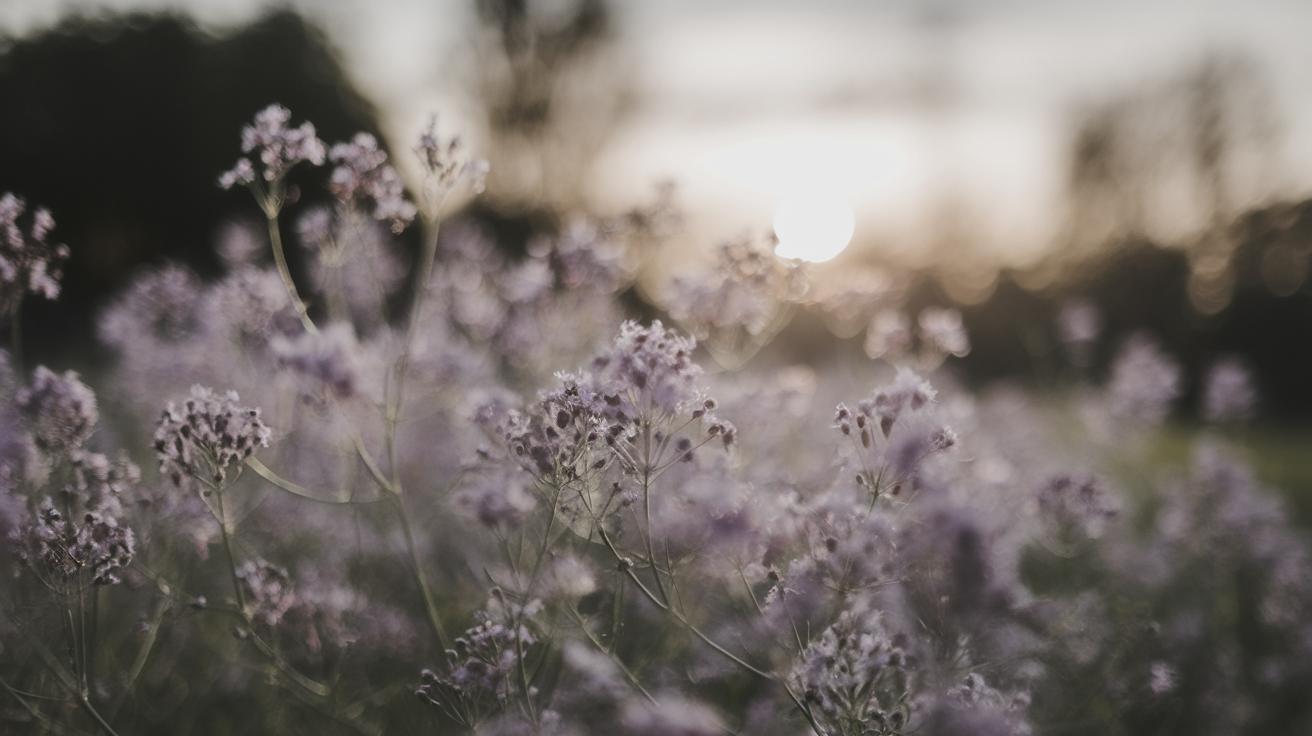
Bokeh, pronounced “bo-keh,” comes from the Japanese word “boke,” meaning “blur” or “haze.” It refers to the aesthetic quality of the out-of-focus areas of a photograph. This effect is most noticeable in images where the background is transformed into a dreamy, soft blur, allowing viewers to focus their attention on the subject in the foreground.
The magic of bokeh lies in its ability to elicit different emotions and interest. A well-executed bokeh not only isolates the subject but also enhances the photograph’s overall composition. Essentially, bokeh accentuates the depth of field, creating an artistic and pleasing transition between the in-focus and out-of-focus regions of an image.
How is Bokeh Formed?
Bokeh is primarily influenced by a lens’s aperture, with wider apertures producing the most pronounced effects. When photographing with a wide aperture, such as f/1.4 or f/2.8, the depth of field is shallow, which means only a small portion of the image is in sharp focus while the rest renders as a blur.
The shape and quality of bokeh are also affected by the lens diaphragm’s construction, particularly the number of blades and their curvature. More blades generally result in a rounder blur, while fewer blades can lead to polygonal shapes in out-of-focus highlights. The smoothness and consistency of the blur also depend on the design and craftsmanship of the lens elements.
Which are the Best Lenses for Bokeh?
A prime lens with a wide maximum aperture is a popular choice for achieving stunning bokeh. Lenses like the 50mm f/1.8 or the 85mm f/1.4 are renowned for their bokeh capabilities. These lenses let in more light and produce a shallower depth of field, thus emphasizing the subject by softly rendering the background.
Telephoto lenses such as the 70-200mm f/2.8 are also great for creating bokeh, especially when photographing portraits. The compression effect inherent to telephoto lenses tends to amplify the background blur, further isolating the subject. Specialty lenses like the Lensbaby or some macro lenses can offer unique bokeh effects for those wanting to experiment and push the boundaries of conventional photography.
How do you Achieve Beautiful Bokeh?
Choosing the Right Lens
As mentioned earlier, selecting a lens with a large aperture is key to achieving beautiful bokeh. It is important to consider lenses designed for portraiture or those with a reputation for producing exceptional bokeh. A lens’s optical quality, paired with a wider aperture, will have the most significant impact on bokeh.
Lighting Considerations
Lighting is crucial in shaping the quality of bokeh. Points of light in the background, such as streetlamps or string lights, become magical orbs of color when out of focus. The lighting not only affects the appearance of bokeh but also contributes to the overall mood and atmosphere of the photograph.
Distance Between Camera and Subject
The distance between the camera and the subject is another factor to consider. The closer the subject is to the lens, while maintaining a considerable background separation, the more pronounced the bokeh will be. Conversely, if the subject is close to the background, the bokeh effect will be less noticeable.
Choosing a Good Background for Bokeh
The background plays a critical role in creating beautiful bokeh. Opt for a background rich in color and light variations to add texture and interest to the blur. Avoid cluttered scenes; instead, select simple, clean backgrounds that complement the subject without overwhelming it.
Choosing Your Main Subject
The subject should be distinct and compelling enough to stand out against the bokeh. A cluttered or busy subject can get lost, undermining the bokeh’s purpose of isolation and attention. Consider the subject’s shape, color, and relation to the background when composing your shot.
Bokeh and Camera Settings
Camera Mode: Manual vs Aperture Priority
To achieve the desired bokeh, photographers often toggle between manual mode and aperture priority mode. Aperture priority allows shooters to control the depth of field while letting the camera automatically select the appropriate shutter speed. This can be faster and more manageable for beginners focusing solely on bokeh.
What’s the Best Aperture for Bokeh?
Aperture settings greatly affect bokeh. Wider apertures like f/1.4 or f/2.8 are common for bokeh-heavy images, allowing photographers to isolate subjects against a lush, blurred backdrop. Experimentation is key, as different scenarios might require slightly smaller apertures for adequate sharpness.
What’s the Best Shutter Speed for Bokeh?
The shutter speed itself does not directly affect bokeh, but it needs to complement the aperture setting to ensure proper exposure. A faster shutter speed may be necessary when shooting with a wide aperture in bright conditions or a slower speed in dim lighting. Balancing both ensures your subject and background are captured perfectly.
What’s the Best Distance for Bokeh?
Optimal bokeh depends on strategic spatial separation. Keeping a significant distance between the subject and the background maximizes the blur effect. Experiment with positioning to determine the ideal distance that successfully separates the subject while maintaining artistic flair.
Where to Focus for the Best Bokeh Effect?
Accurate focus is essential for capturing the best bokeh effect. Concentrate on the subject’s eyes or another pivotal feature while allowing the lens to blur the background seamlessly. For novices, using autofocus or focus peaking can facilitate precision in achieving optimal focus.
How Can You Master the Bokeh Effect?
Mastering bokeh requires a delicate blend of technical skills and creative flair. Practice by taking diverse shots under varied light conditions and with different subjects. Analyze results, draw inspiration from skilled photographers, and keep honing your technique to effortlessly achieve captivating bokeh.
Is the Biggest Blur Always Best?
While photographers often gravitate toward more pronounced bokeh, striking a balance between subject clarity and background blur is key. Sometimes a subtle blur can enhance an image’s aesthetic appeal more effectively than a dramatic one. It is crucial to evaluate the context before committing to extreme blur.
See our popular Photography Tours & Workshops
4 Day Northern Lights & Ice Cave Photo Tour
Explore the electrifying allure of the Northern Lights and the mesmerizing architecture of Icelandic ice caves over a four-day photo tour. Capture the Northern Lights, hone your craft, and experience the splendor of winter landscapes.
8 Day Northern Lights & Ice Cave Winter Photo Workshop in Iceland
Dive deeper into the magic of winter in Iceland with this immersive eight-day workshop. Learn from seasoned professionals while practicing techniques on the ethereal glow of the Northern Lights and during city and landscape explorations.
Red Sails in Greenland | Summer Photo Workshop
Embark on an unforgettable photographic journey during summer in Greenland. Witness the iconic red sails of local boats amid icy waters while learning tips and tricks to elevate your photography thanks to expert-led sessions.
See our popular International Photography Tours & Workshops
Our international photo tour lineup spans globally renowned destinations tailored for photographers eager to capture breathtaking images while enhancing their skills under guidance from esteemed photographers.
See our popular Italy Photography Tours & Workshops
Italy’s beauty is limitless, and our tours take you through its enchanting regions, allowing immersive opportunities to photograph historical sites, vibrant street scenes, and gorgeous landscapes under expert tuition.
Future Prospects
| Section | Content Highlights |
|---|---|
| What is Bokeh? | Understanding the aesthetic blur in photos and its artistic appeal. |
| How is Bokeh Formed? | Exploring lenses and apertures producing bokeh. |
| Best Lenses for Bokeh | Choosing lenses, such as prime and telephoto, to enhance bokeh. |
| Achieving Beautiful Bokeh | Lens choice, lighting, and subject-background distances key for good bokeh. |
| Bokeh and Camera Settings | Camera modes, apertures, and shutter speeds critical to capturing bokeh. |
| Best Distance for Bokeh | Maintaining subject-background separation for optimal bokeh. |
| Focus for Bokeh Effect | Precision focusing on subjects for enhanced clarity amidst bokeh. |
| Mastering Bokeh | Combining practice, analysis, and inspiration to perfect bokeh shots. |
| Biggest Blur? | Determining when subtle bokeh is more effective than extreme blur. |
| Photography Tours | Opportunities for hands-on learning in stunning locales. |