Discovering and Overcoming Common Mistakes in Photography
Photography is an art that requires practice, patience, and an understanding of fundamental techniques. Whether you’re a hobbyist or aspiring professional photographer, you might be unknowingly making some mistakes that could be keeping you from taking perfect shots. In this post, we will explore seven common mistakes photographers often make, such as shooting at the wrong time of day or sticking with auto settings, and provide actionable advice on how to overcome them. By understanding and correcting these pitfalls, photographers can significantly enhance their skills and produce stunning images. Plus, we’ll cover a bonus mistake many might encounter: feeling overwhelmed by the steep learning curve of photography.
Mistake #1: You’re Shooting at the Wrong Time of Day
One of the most common errors photographers make is choosing the wrong time of day to shoot. Lighting plays a critical role in photography, and the time of day can dramatically impact the mood and quality of your photos. Midday sun can create harsh shadows and overexposed highlights, making it difficult to capture a balanced image.
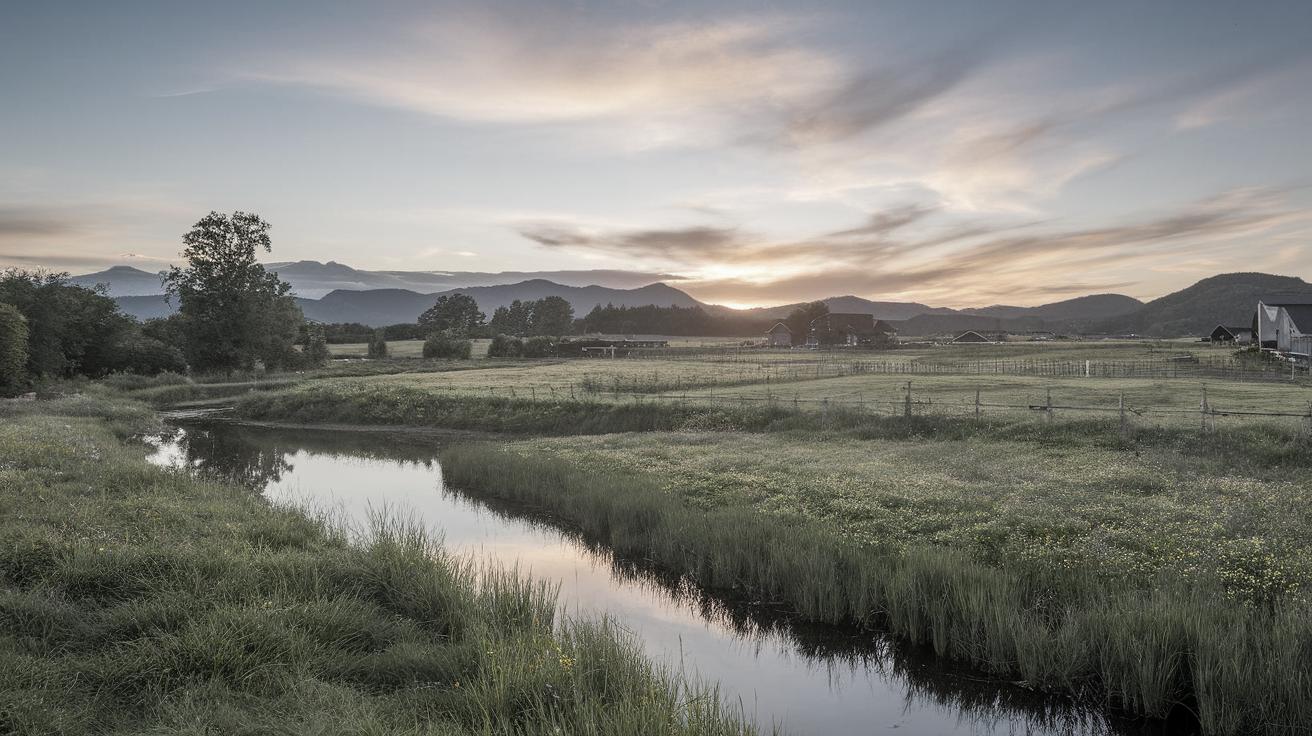
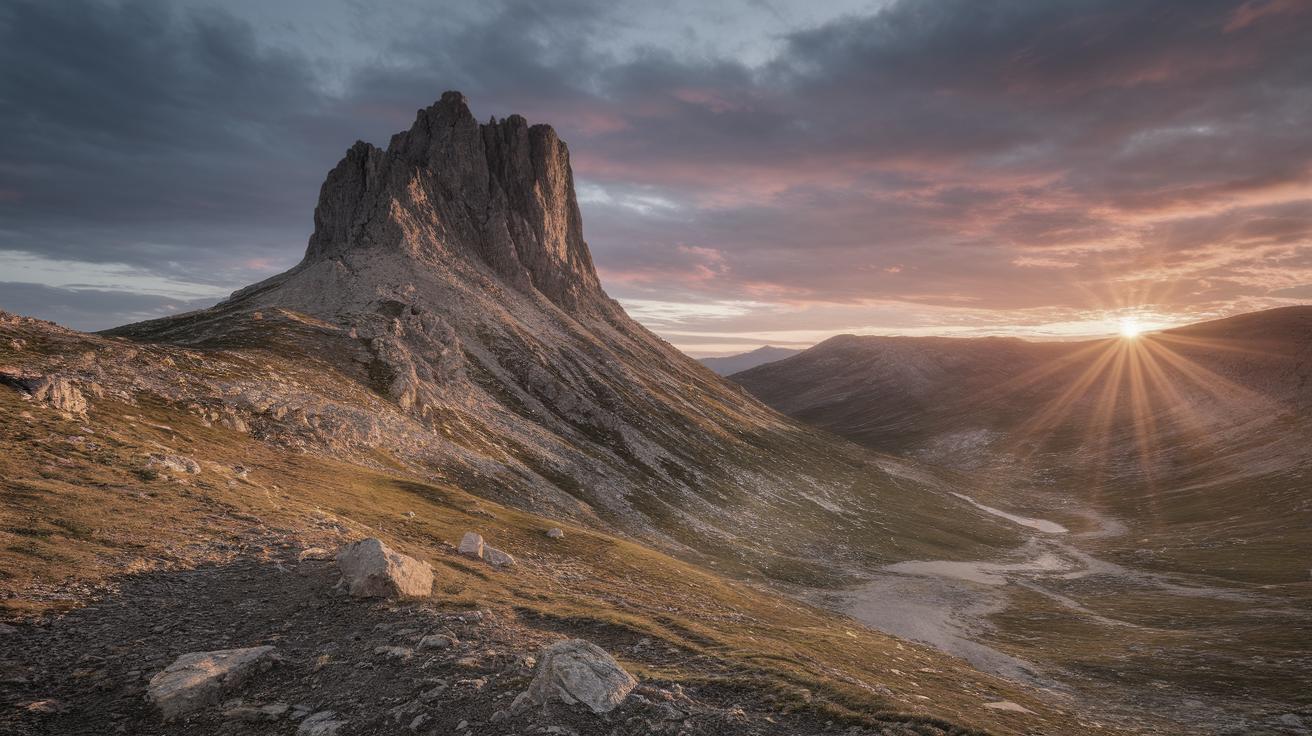
To achieve optimal lighting, aim to shoot during the “Golden Hour,” which occurs shortly after sunrise or before sunset. The light during these times is softer and more diffused, providing a warm glow and enhancing the colors in your photographs. By adjusting your schedule to make use of these ideal periods, you can capture more compelling and visually appealing images.
Mistake #2: You’re Sticking with Auto White Balance
Relying on auto white balance can be tempting, especially for beginners. However, this setting might not always accurately capture the true colors of a scene, as it attempts to reduce color casts produced by different lighting sources, often leading to a less natural appearance.
To address this, experiment with your camera’s white balance presets, such as Tungsten, Fluorescent, Daylight, and Shade, to better match the actual lighting conditions. You can also manually set the white balance using a white or gray card to improve color accuracy. By understanding and utilizing these settings, you can ensure your photos maintain their true-to-life hues.
Mistake #3: You’re Staying on AUTO or Aperture Priority Mode
While auto and aperture priority modes can be useful in certain situations, they often limit your creative control over exposure settings, potentially resulting in less-than-ideal images. These modes might make decisions for you that don’t align with your artistic vision.
Consider exploring manual mode to gain full control over settings like shutter speed, aperture, and ISO. Understanding the exposure triangle allows you to adapt to varying lighting conditions and capture images that truly reflect your creative intent. As you become comfortable with these settings, you’ll find manual mode provides the flexibility to express your unique photographic style.
Mistake #4: You’re Always Putting the Subject in the Centre of the Frame
Placing your subject in the center of the frame can sometimes lead to dull and static compositions. Most viewers find images more intriguing when there’s a dynamic balance, which can be achieved through the rule of thirds.
To apply this principle, imagine dividing your frame into a grid with two equally spaced horizontal and vertical lines, creating nine equal sections. Positioning your subject along these lines or at their intersections can add visual interest and movement to your photographs. This compositional technique helps lead the viewer’s eye through the image, creating a more engaging and storytelling visual experience.
Mistake #5: Your Photos Are All Blurry
Blurry photos can result from several factors, such as camera shake, incorrect focus, or slow shutter speed. While this can be frustrating, there are ways to mitigate these issues to produce sharper images.
Consider using a tripod to stabilize your camera, especially in low-light situations where slower shutter speeds are needed. Additionally, explore auto-focus modes, like single-point focus, to ensure your subject is captured sharply. Understanding how different shutter speeds, apertures, and ISO settings contribute to capturing clear photos is crucial for avoiding unwanted blur.
Mistake #6: You Panic When You’re Taking a Shot
Panic can occur when you’re unsure or under pressure while taking a shot, often resulting in missed opportunities or rushed photos. This is where mindfulness and preparation come into play.
Take a moment to familiarize yourself with your surroundings, the lighting conditions, and your equipment settings. Practicing mindfulness allows you to be present, observe your scene, and shoot methodically. Preparing ahead of taking photos can also reduce stress and enhance your ability to capture the perfect shot when the moment arises.
Mistake #7: You’re Not Committed to Learning How to Use Your Great Camera Properly
Many photographers thrive in their early stages but hit a plateau because they haven’t fully explored or understood their camera’s capabilities. Relying on default settings can keep you from maximizing your equipment’s potential.
Dedicate time to reading the camera manual, participating in workshops, and trying various techniques. Engaging in continuous practice and learning helps solidify your understanding of both your camera and the broader principles of photography. This commitment is instrumental in evolving from a good photographer to a great one.
BONUS Mistake! You Might Give Up Because It’s Way Too Overwhelming.
Photography can indeed seem overwhelming with its abundance of technical details and creative nuances. However, it’s crucial to remember that progress and skill-building take time.
Breaking your learning process into manageable chunks can make it more approachable. Set small, achievable goals and regularly reflect on the progress you’ve made. Joining photography groups or online communities also provides support, feedback, and motivation. Remember, every photographer started as a beginner, and perseverance is key to mastering this craft.
Future Prospects
| Mistake | Overview |
|---|---|
| Shooting at the Wrong Time of Day | Optimal lighting is crucial, with “Golden Hour” being ideal for softer, warm lighting. |
| Sticking with Auto White Balance | Auto settings may not capture true colors; using presets or manual settings achieves better accuracy. |
| Staying on AUTO or Aperture Priority Mode | Limits creative control; manual mode offers flexibility over exposure settings. |
| Always Putting the Subject in the Centre of the Frame | Rule of thirds creates more dynamic and engaging compositions. |
| Photos Are All Blurry | Stabilization and proper focus techniques are essential for sharp images. |
| Panic When Taking a Shot | Mindfulness and preparation reduce stress and improve shooting. |
| Not Committed to Learning Your Camera | Deep understanding of equipment enhances skill and creativity. |
| Feeling Overwhelmed | Breaking learning into smaller goals and joining communities can alleviate feelings of being overwhelmed. |