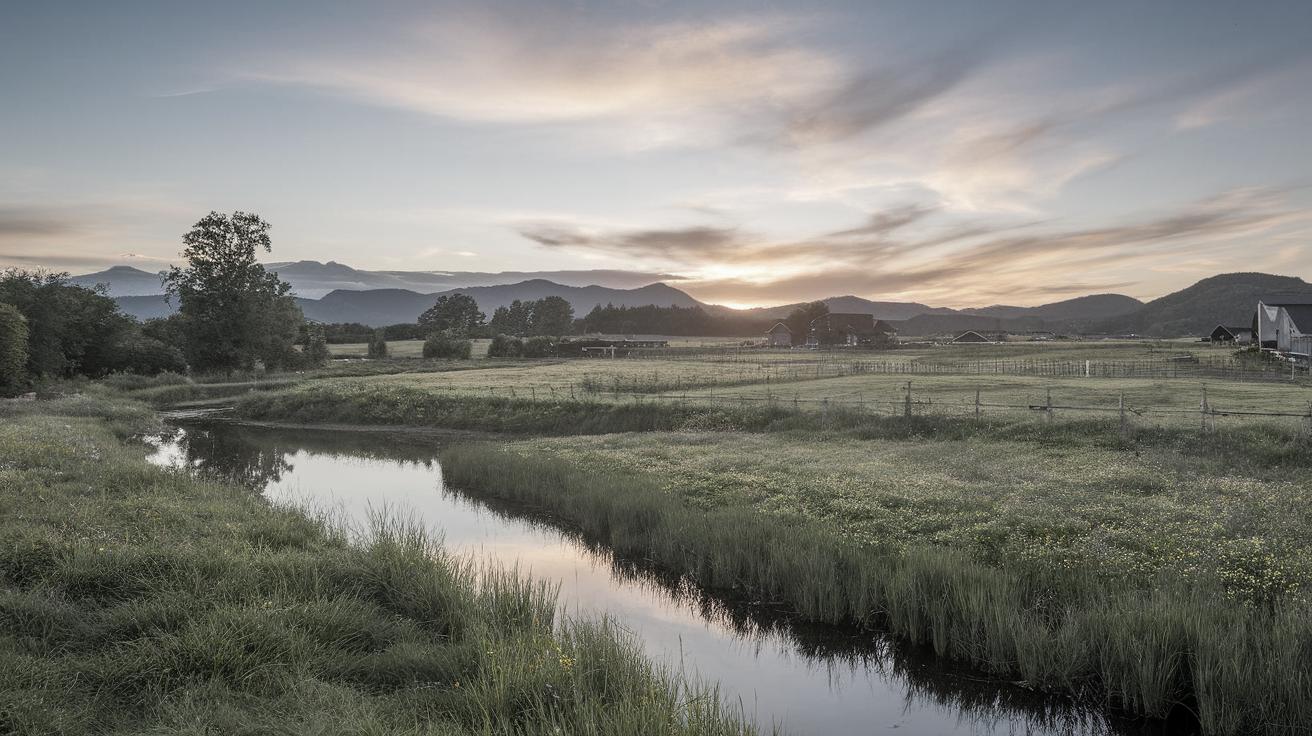
Mastering Reflection Photography: Capturing the Art of Reflective Surfaces
Photography is an art that allows us to perceive the world through different lenses, quite literally. Among the many fascinating techniques photographers explore, capturing reflections and water surfaces remains a favorite for its ability to render ordinary situations dramatic and intriguing. This article will guide you through the process of capturing stunning reflections in water and other surfaces. We’ll explore the best locations and subjects, delve into specific shooting techniques, and discuss essential technical considerations that can elevate your reflection photography to the next level.
Related Articles
Dive deeper into the world of photography with articles focused on landscape photography, mastering light in photography, and the art of cityscape imaging. These topics will complement your understanding and broaden your skills portfolio.
Where to Photograph Reflections
To capture breathtaking reflections, location is crucial. Nature is generous with serene lakes mirroring vast skies or towering mountains. National parks and nature reserves are prime spots offering unhindered ambient landscapes perfect for reflection photography.
Urban reflections can be equally mesmerizing, found on glass building facades, rain-slicked streets, or calm riverbanks slicing through bustling cities. The juxtaposition of nature and architecture creates a vibrant dynamic ripe for exploration.
Which Subjects Make Good Reflections?
Not all subjects lend themselves equally to reflection photography. Look for large, recognizable forms like trees, bridges, or mountains, which create significant visual interest and symmetry when mirrored.
Consider experimenting with smaller objects, too. Birds perched near a water body, a single flower on a reflective pond, or even scattered leaves create subtle, delicate reflections that might surprise you with their elegance.
Shooting Techniques for Reflection Photography
1. Plan in Advance for a Still Day
Weather conditions are paramount for capturing clear reflections. Plan your shoot on still days with minimal wind interference to avoid ripples that can distort the mirrored image.
Monitoring weather forecasts and choosing early mornings or late afternoons can significantly improve the chances of encountering the perfect conditions for water reflections.
2. Utilize Cloud Cover
Clouds can be your allies, adding mood and depth to reflective surfaces. The interplay of clouds and sunlight can create dynamic shadows and highlights, enhancing the reflected image.
Don’t shy away from overcast days; they often provide even diffusion of light, reducing harsh reflections and allowing for softer, more nuanced photographs.
3. Get Up Early
The soft, golden light during sunrise offers ideal lighting conditions, enhancing colors and definition. Additionally, the calmness of morning waters contributes to cleaner reflections.
The quiet of early mornings also means fewer people, giving you free rein to explore and capture uninterrupted shots of reflective surfaces.
4. Consider Your Focal Length
Selecting the right focal length helps balance the reflected surface against the primary subject. Wide-angle lenses offer a broader context, highlighting the environment along with the reflection.
Conversely, telephoto lenses allow you to isolate specific areas of the scene, perfect for capturing detailed reflections isolated from the surrounding environment.
5. Manage Your Camera Height
The angle and height from which you shoot determine how prominent the reflection appears. Lower angles closer to the water surface tend to emphasize the reflection, achieving a seamless integration with the subject.
Playing with both high and low shots can offer a varied perspective, enhancing creativity in how reflections are captured and perceived.
6. Consider the Foreground
A compelling foreground adds depth and dimension to your reflections, creating an engaging layered effect. Rocks, foliage, or man-made structures can frame your reflection beautifully.
Be intentional with your foreground choice; it should complement, rather than overshadow, the primary reflective subject.
7. Emphasize Symmetry
Reflection photography naturally lends itself to symmetry, a powerful compositional tool. Symmetrical images are pleasing and balanced, drawing the viewer’s eye to the center.
Position your camera to align the horizon or natural lines within your frame to enhance symmetry, creating an aesthetically compelling photograph.
8. Use Texture
Textures in water, such as gentle ripples or underlying aquatic vegetation, add layers of complexity that can enrich the reflection, adding mood and narrative to your image.
Experimenting with different water conditions and textures invites an exploration of aesthetics, from smooth glass-like reflections to turbulent, impressionist-style images.
Technical Considerations
1. Managing Exposure
Achieving balanced exposure in reflection photography can be challenging, especially with high contrast scenes. Utilize your camera’s exposure settings to manage light variations, preventing over- or under-exposed reflections.
Consider spot metering; it allows precise focus on critical points, enabling balanced exposure across both the reflection and its source.
2. Focusing Techniques
Deciding whether to focus on the reflection itself or its subject affects the final image’s look. Experimenting with different focus points can create varied effects, from sharp reflections to dreamy, diffused backgrounds.
Utilizing manual focus gives you control over pinpointing areas within the frame, essential for creating precise, sharp images desired in reflection photography.
3. Consider Using Filters
Polarizing filters reduce glare and enhance color saturation, beneficial for eliminating unwanted reflections and capturing vivid images.
Neutral density filters, meanwhile, are handy for longer exposures, enabling soft water effects without overexposing the image, particularly useful in bright conditions.
Final Thoughts
| Section | Summary |
|---|---|
| Where to Photograph Reflections | Explore natural and urban environments, like lakes and city streets, for diverse reflective surfaces. |
| Which Subjects Make Good Reflections? | Focus on both large forms like mountains and smaller, intricate details like single flowers near ponds. |
| Shooting Techniques | Plan for still days, utilize cloud cover, and consider camera height and focal length for perfect symmetry and texture. |
| Technical Considerations | Manage exposure, perfect focusing techniques, and use filters like polarizers and neutral density to enhance images. |