How to Master Long Exposure Shots
Long exposure photography can transform ordinary scenes into ethereal displays of motion and tranquility. Mastering this art involves understanding a few technical aspects and practicing them diligently. From capturing the silky flows of waterfalls to painting the sky with streaks of clouds and creating mesmerizing seascapes, long exposure is a skill that can elevate your photography game to new heights. This comprehensive guide explores the essentials—from choosing the right equipment and troubleshooting common issues, to leveraging natural light and using ND filters. Whether you’re a beginner or looking to refine your technique, this article will equip you with the knowledge to harness the power of long exposure photography and elevate your visual storytelling.
The Basics of Long Exposure Photography
Long exposure photography involves using a slow shutter speed to capture the scene over an extended period. By allowing more time for light to hit the camera sensor, photographers can depict motion in their shots, resulting in striking images that freeze the elements around moving subjects.
To get started, you’ll need equipment that you may already have, such as a camera with manual mode capabilities and a sturdy tripod. Long exposure requires keeping the camera still for several seconds to minutes, so stability is paramount. Additionally, a remote shutter release or using the camera’s timer can help prevent camera shake.
Why would you want to shoot with long exposures?
Long exposure photography opens up creative possibilities and allows you to experiment with light and movement. By extending the exposure time, you can smooth out water surfaces, make clouds appear as streaks, and create abstract patterns of light.
This technique is particularly effective for creating dramatic nighttime photographs, traffic trails, or capturing the mood of a scene. It finds application in various genres, from landscape to architecture, and enables you to present everyday scenes in an entirely new light.
Movement is what you need for Long Exposures
Motion is the essence of long exposure photography. Elements such as clouds, water, and vehicles become the focal point, contrasting against static surroundings. By capturing the dynamic components over time, you highlight their graceful movements.
Choosing a scene with movement makes it ripe for a long exposure shot. Pay attention to patterns and the change in light conditions, as they can enhance the visual impact of your composition. Patience and observation are key traits for capturing the perfect moment.
What Different Exposure Times do to Your Photos
Varying the shutter speed influences the final result of your photo. Shorter exposure times of a few seconds can add a sense of motion without losing all detail, such as capturing the flow of water or clouds. This retains some texture while adding a touch of blur.
Conversely, exposure times stretching from 15 seconds to a few minutes let you capture complete transformation in movement. Think silky smooth water, ghostly cloud trails, and mesmerizing light patterns. To achieve this, ensure adequate light management with ND filters and camera settings.
How to shoot long exposures
The first step in shooting long exposures is setting your camera to manual mode to control both the aperture and shutter speed. Start by identifying an appropriate scene and stabilizing your camera on a tripod.
Next, adjust your camera settings based on available light and desired effect. Select a low ISO to reduce noise, and choose an aperture that provides your desired depth of field. Begin with slower shutter speeds and gradually increase them until achieving the perfect effect.
Troubleshooting Long Exposure Photography
Long exposure photography may initially result in problems such as overexposure, camera shake, or digital noise. Each issue requires a different solution. To combat overexposure, consider ND filters or reducing the ISO.
Camera shake is easily addressed with a strong tripod and avoiding physical contact during exposure. Meanwhile, noise can be mitigated by using noise-reduction features available in most cameras or post-processing software.
What is a Stop of Light?
A “stop” of light in photography is a term used to quantify changes in exposure. Increasing or decreasing exposure by one stop means doubling or halving the amount of light reaching the sensor.
In the context of long exposure, understanding stops is crucial for adjusting your settings logically, especially when using ND filters. This knowledge helps create an exposure balance even under varying light conditions.
Long Exposure Photography without ND Filters
It’s possible to achieve impressive long exposures without ND filters, particularly in low-light conditions, such as dusk or dawn. By lowering the ISO and opting for narrower apertures, you can manage exposure time effectively.
Take advantage of the brief lighting conditions right after sunset or before sunrise to capture those dreamlike scenes while keeping your gear minimal. However, be mindful of the limited creative control compared to using ND filters.
ND Filters For Long Exposure Photography
Neutral Density (ND) filters are indispensable for long exposure during daylight. They reduce light entering the lens, allowing for slower shutter speeds even under bright conditions.
Selecting the right ND filter is essential to achieving your desired effect. Solid filters come in varying strengths, measured in stops, from 1-stop up to 15 stops or more, each facilitating different levels of light reduction.
Are Variable ND filters any good for Long Exposure Photography?
Variable ND filters allow you to adjust the level of light reduction, offering flexibility in changing conditions. They can save space and time when adjustments are necessary.
However, they may introduce unwanted artifacts like color casts or cross-patterns, especially at extreme settings. Evaluating your shooting environment and quality expectation is necessary before choosing variable ND filters.
Waterfall Photography and Long Exposures
Waterfalls can be enchanting when photographed with long exposure. The technique transforms the rushing water into silken strands that reflect tranquility and movement.
For waterfalls, a longer exposure time, anywhere between 1 to 30 seconds, can be employed depending on the speed of the water flow. Experiment with various levels of blur to create the best representation of fluidity.
Clouds and Long Exposure Photography
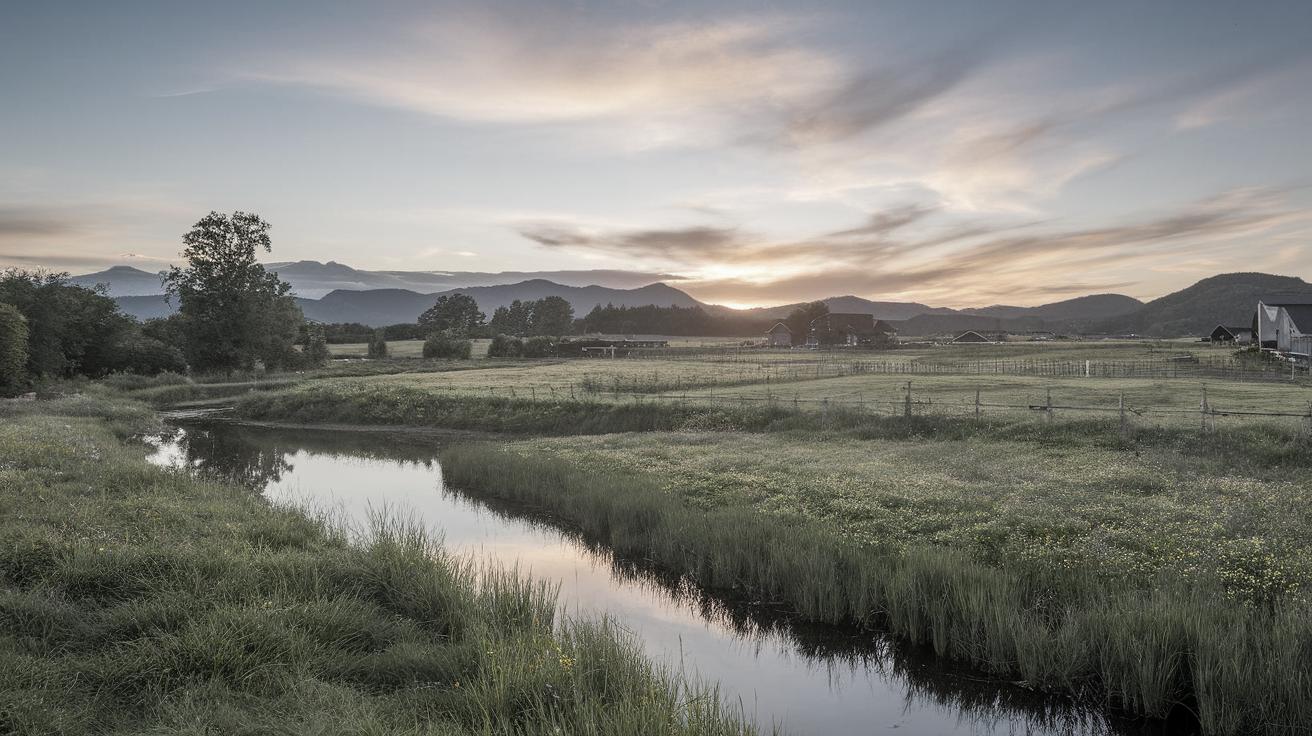
Clouds are a fantastic subject for long exposure, offering the opportunity to capture their elusive motions and unfolding patterns in the sky. Faster moving clouds, over exposure times of several minutes, can be depicted as sweeping lines that create drama in your images.
Pay attention to the atmospheric conditions, as different cloud types and wind speeds determine the final outcome. Utilize ND filters to perfect exposures under various lighting scenarios.
Seascapes and Long Exposure Photography
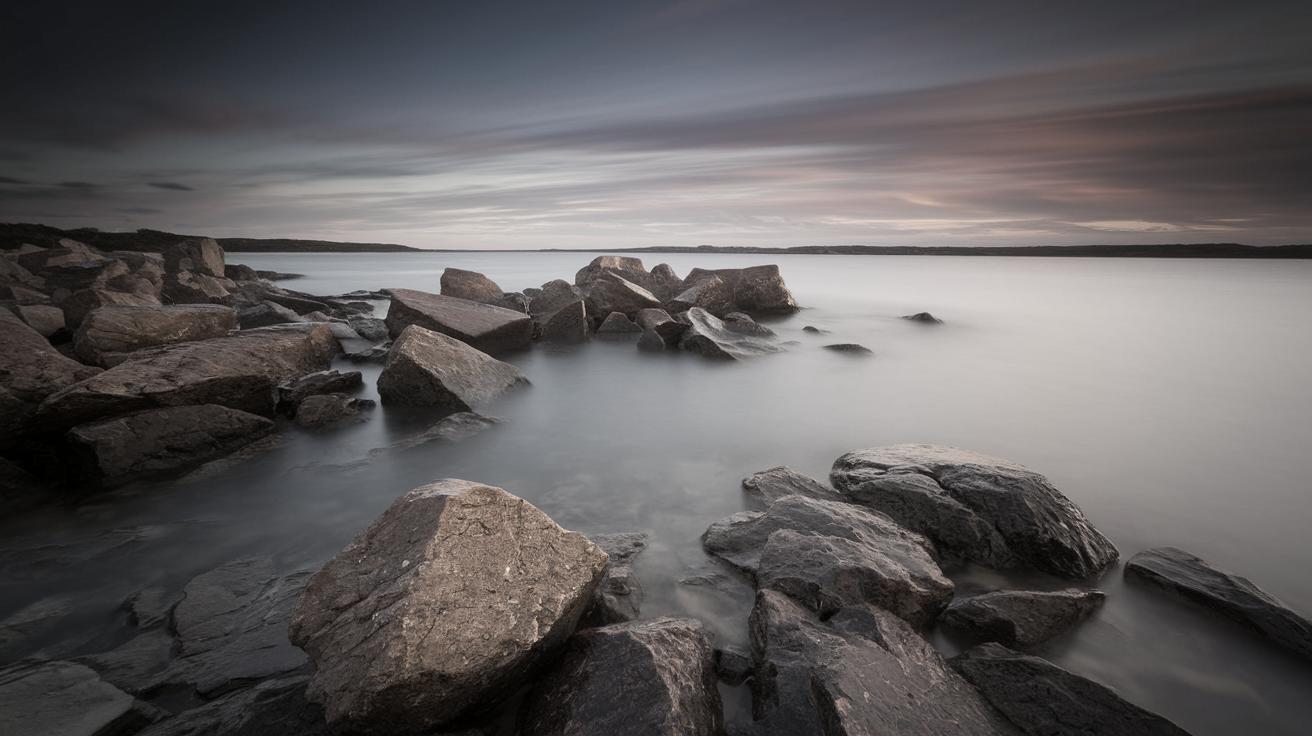
Seascapes are a popular choice when beginning with long exposure photo compositions. Capturing the ebb and flow of waves provides stunning contrasts against serene horizons or dramatic coastal landscapes.
Timings typically range within 2 to 30 seconds or more, depending on wave activity. Aiming for elongated exposure times smooths out wave movements into dreamy, mist-like visuals that invoke a sense of peaceful vastness.
Conclusion to Long Exposure Photography
| Topic | Main Points |
|---|---|
| Basic Principles | Long exposure involves slow shutter speeds to capture motion; use a stable tripod and remote shutter release. |
| Creative Potential | Highlights movement against static elements; suits landscapes and night photography. |
| Techniques | Adjust aperture, ISO, and shutter speed; use ND filters to control light. |
| Common Challenges | Troubleshoot overexposure and noise; stability issues mitigated with sturdy equipment. |
| Applications | Ideal for waterfalls, seascapes, and cloud formations; diverse approach with or without ND filters. |