How to Select the Right Tripod for Photography
Tripods are essential tools for photographers looking to capture sharp, stable images. This comprehensive guide is designed to help you choose the right tripod for your needs by exploring various aspects such as the importance of quality tripods, components of a tripod system, the factors that influence your choice, and the best tripods available for different budgets and uses. From understanding the technical specifications to selecting a tripod that aligns with your photography style, this blog post aims to guide you through the crucial decision-making process to ensure your investment serves you well, offering a lifetime of photo excellence.
Tripods are Important for Getting Sharp Images and You Should Not Get the Cheapest One – Here is Why
The simplest step to improving image sharpness is utilizing a sturdy tripod. A reliable tripod minimizes camera shake, ensuring that every picture is crisp and clear. While it might be tempting to opt for the cheapest tripod, doing so can compromise the effectiveness of your photography, as budget options often lack the stability and durability needed for professional results.
Investing in a high-quality tripod can prevent frustrating issues such as unstable support, weak construction, and difficulty handling heavier camera equipment. While the initial cost may be higher, a robust tripod offers enhanced performance, increased stability, and longevity, ultimately proving to be more cost-effective in the long run.
Why Do You Need a Tripod?
Tripods are essential for photographers who wish to expand their creative possibilities. They enable photographers to use extended exposure times for capturing stunning night shots, employ slow shutter speeds for smooth motion effects, and employ HDR photography techniques while in difficult lighting conditions.
Moreover, tripods are critical when shooting in low-light environments where higher ISO settings can increase image noise. By providing stable support, a tripod allows for lower ISO settings and slower shutter speeds without compromising image quality. They are invaluable for macro photography, where precise focus is crucial, giving photographers the confidence to unleash their full creative potential.
Tripod Components – What is a Tripod System?
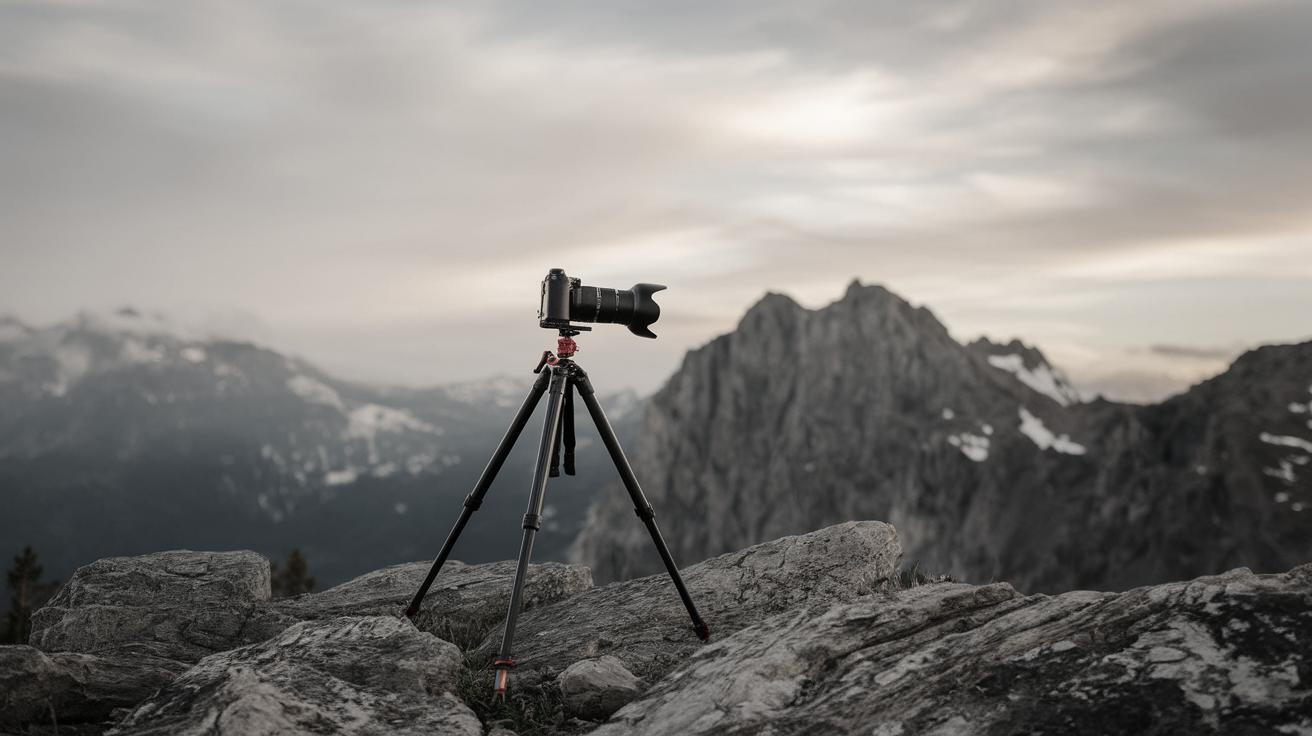
A tripod is more than just three legs; it’s a complete system designed to provide stability and flexibility. The primary components of a tripod system include legs, a head, a quick-release system, and a centerpost. Each part plays a vital role in the tripod’s performance, affecting its weight, height, and ease of use.
The legs provide the primary support and often come in various materials such as aluminum or carbon fiber. The tripod head allows for camera positioning and adjustment, with pan-and-tilt, ball head, and gimbal head options available. The centerpost adds to the height flexibility, while the quick-release system ensures swift camera attachment and detachment.
Disadvantages of Using a Tripod
Despite their numerous advantages, tripods can pose some challenges. Their bulky and heavy nature can be cumbersome, especially for photographers who prefer agility and spontaneity. Transporting a tripod can be inconvenient, particularly during travel or dynamic shooting scenarios where speed and ease-of-movement are crucial.
Additionally, tripods require setup time, which can slow down the shooting process. Situations demanding immediate mobilization may not be suitable for tripod use. Photographers must weigh the benefits of stability against the constraints tripods can impose, considering alternatives like monopods as a middle ground for certain situations.
Factors to Consider When Choosing a Tripod
Weight Rating
The weight rating of a tripod is crucial for ensuring it can safely support your camera equipment. Be sure the rated capacity matches the total weight of your camera and lens to avoid accidents or damage. A sturdier tripod offers the stability required for peace of mind during shoots.
Tripod Height
Consider a tripod that extends to an appropriate height for your eye-level vision, allowing for comfortable usage during extended shoots. Also, ensure it can lower enough for creative angles such as low-angle or macro photography.
Tripod Weight and Construction
Material choices such as aluminum and carbon fiber affect the weight and durability of a tripod. Lightweight options like carbon fiber are suitable for travel due to their portability, while aluminum tripods offer robust support at a lower price point.
Tripod Legs
Tripod legs are available in multiple sections, affecting portability and compactness. Consider the trade-off between ease of transport and stability when selecting the number of leg sections ideal for your use case.
Tripod Feet
Feet options such as rubber or spiked provide grip on different surfaces. Choose tripod feet based on the typical environments where you’ll be shooting, ensuring stability on both smooth and uneven terrains.
Centerpost
The centerpost offers additional height flexibility but can cause instability when fully extended. Weigh the necessity of added height against the potential compromise of stability when choosing your tripod.
Tripod Head
Choose a tripod head compatible with your shooting style. Ball heads allow for quick adjustments, whereas pan-and-tilt heads provide precise control over individual axes, ideal for videographers or specific types of photography.
Quick-Release System
A reliable quick-release system enables efficient camera attachment and detachment, essential for fast-paced photography scenarios. Assess the quick-release mechanism’s ease-of-use and compatibility with your equipment.
Stability
Stability is paramount, particularly in windy conditions or when using long exposure times. Examine features such as hook provisions for additional weight and construction materials that help bolster the tripod’s steadiness.
Which Tripod Should you Buy?
Choosing the right tripod depends on your specific photography needs and budget. Assess your primary shooting styles, whether they involve travel, video, or specialized photography such as macro or wildlife. Identify the characteristics essential for your tripod, such as height, weight, and head type.
Align your preferences with available options, remembering that investing in a quality tripod suited to your style will enhance your photography experience. Consider the cost versus long-term value ratio, ensuring your purchase offers both performance and durability over time.
Best Tripods to Purchase
Low-budget Tripods (under $150)
For photographers on a budget, options such as the AmazonBasics 60-Inch Lightweight Tripod offer affordability without sacrificing essential features. It provides decent stability and basic functionality for general-purpose photography.
Top-of-the-line Tripods (over $500)
High-end options like the Gitzo GT3543XLS Series 3 offer exceptional build quality, using premium carbon fiber materials for light yet sturdy support. These tripods are perfect for professional photographers demanding top-tier performance.
Travel Tripods
Benro Travel Angel FTA28CV1 is an excellent choice for traveling photographers. It provides a compact design, carbon fiber construction for weight saving, and robust stability, vital for photographers on-the-move.
Video Tripods
For videography, the Manfrotto MVH502A Fluid Head Tripod provides smooth movement and precise control. Its professional-grade construction ensures reliable support for heavier video equipment, essential for stable footage.
Recommended Tripod Heads
The Manfrotto XPRO Ball Head offers versatile movement for ease of use with various shooting angles. It combines reliability and precision, crucial for both photography and videography applications.
A Good Tripod is a Life-Long Investment
Purchasing a quality tripod is not just about immediate needs but investing in your photography’s future. A well-chosen tripod can provide reliable support throughout your photographic journey, adapting to new techniques and ever-evolving equipment requirements.
Ensure your selection aligns with your current and anticipated needs, providing a robust foundation for all photography ventures. With a dependable tripod, you’ll be equipped for stability throughout changing conditions and various environments.
Related Articles
Summary of Main Points
| Topic | Key Points |
|---|---|
| Importance of Tripods | Avoid cheap options; invest for stability and durability. |
| Uses of Tripods | Enhance creativity, low-light shooting, and macro photography. |
| Tripod Components | Involve legs, head, quick-release, and centerpost. |
| Disadvantages | Cumbersome to carry, setup time needed. |
| Choosing Factors | Consider weight, height, stability, and construction. |
| Best Tripod Options | Variety based on budget and use (e.g., travel, video). |