What Makes Drone Photography Unique
Drone photography has revolutionized the way we capture the world around us, offering a perspective that was previously hard to achieve. This blog post explores the facets that make drone photography stand out. From its numerous benefits and the intricacies of drone videography to learning how to operate drones, this guide is comprehensive. We delve into licensing, the best drones for both photography and videography, and how drones enhance wedding photography, with cost considerations and practical ideas. Finally, we’ll cover additional gear suggestions and photography tips to leverage the full potential of drone technology. This exploration provides insights for enthusiasts and professionals looking to expand their toolkit.
The Benefits of Drone Photography
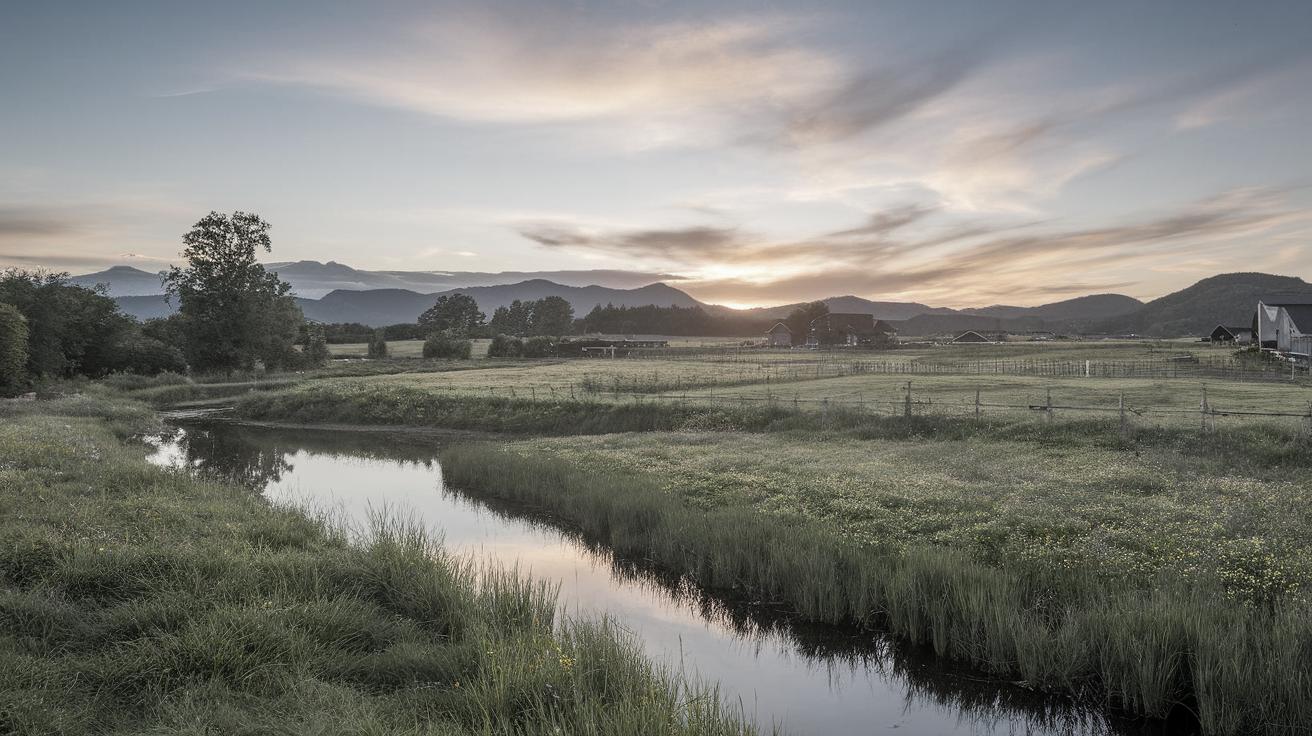
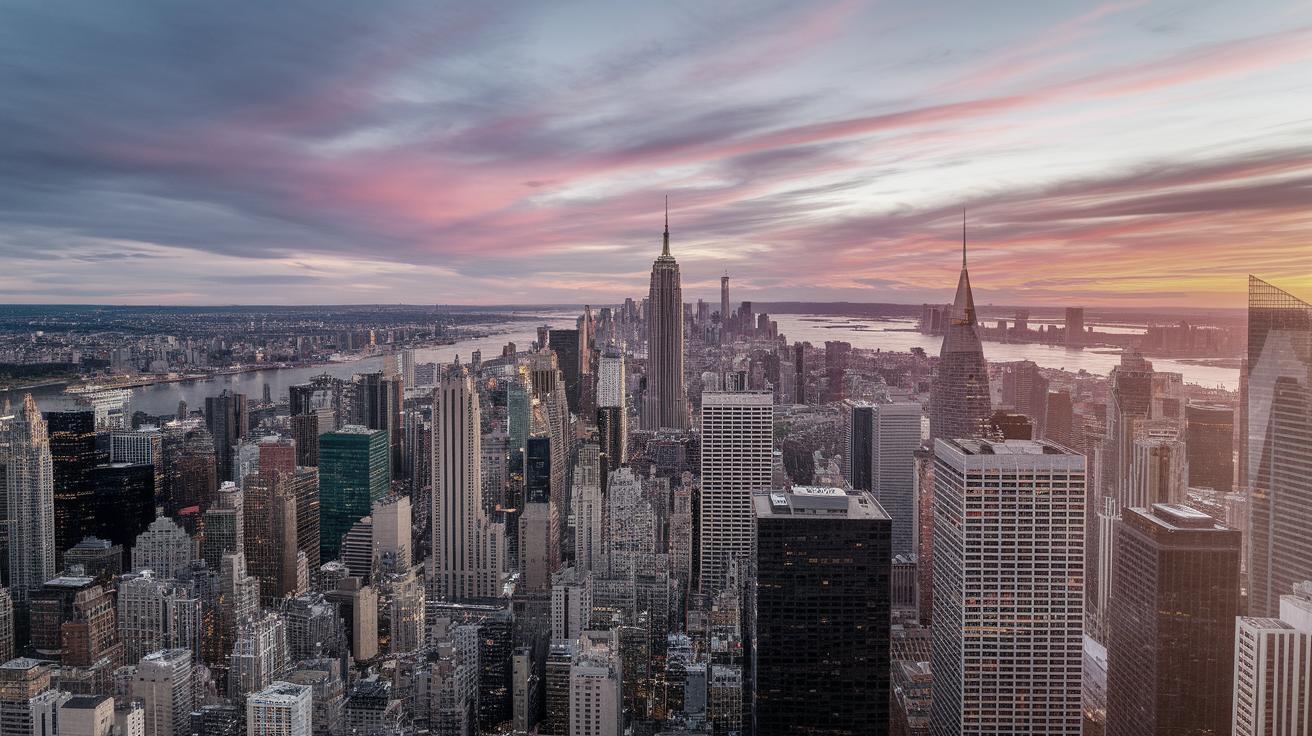
Drone photography provides aerial shots that capture expansive landscapes and scenery from perspectives hard to achieve through traditional photography. The ability to rise above and capture the symmetry and scale from the sky delivers an awe-inspiring view. This capability is invaluable for sectors like real estate, tourism, and environmental studies, offering a fresh way to engage audiences.
Additionally, drones present a cost-effective alternative to aerial photography and videography, which often requires the hiring of helicopters or planes. With advancements in technology, drones are now equipped with high-resolution cameras, allowing photographers to capture intricate details and vibrant images from great heights, thus broadening the creative horizon for photographers worldwide.
Drone Videography
Drone videography extends the possibilities offered by its photographic counterpart, creating dynamic and cinematic footage that captivates viewers. The fluid motion and stability provided by drones allow filmmakers to achieve smooth, sweeping shots that can depict a story from an aerial viewpoint.
Integrating drones into video production not only elevates the storytelling quality but also creates opportunities for unique transitions and angles. This has transformed industries such as advertising, films, and sports coverage, and conventional videography is no longer limited by ground-level constraints.
Learning to Operate Your Drone
Acquiring the skills to proficiently maneuver a drone is crucial for extracting the most value from your investment. Familiarity with drone controls, functions, and the software supporting these devices can lead to an intuitive flying experience. Understanding the drone’s specifications ensures that photographers utilize its capabilities effectively, from GPS navigation to the automated flight modes available in modern drones.
Practicing in open, less populated areas is essential for beginners to gain confidence. Sessions should start with the basics—taking off, landing, hovering, and gentle maneuvers—before advancing to more complex flying patterns. This practice reduces the risk of crashes or losing the drone to inexperienced miscalculations.
Drone Operation Tips
When operating drones, always adhere to safety guidelines and regulations to avoid accidents. This includes maintaining a line of sight with the drone, avoiding flying over crowds, and being mindful of privacy concerns when taking aerial footage of private properties.
Optimizing battery life is another crucial tip. Drone pilots should plan their flights ahead to ensure they capture desired content before battery depletion. Calibration of drone sensors and compass should be routinely checked to prevent drifting or unplanned movements that could jeopardize the footage.
Getting Your Drone License
In many jurisdictions, a drone license or certification is necessary, especially for commercial purposes. This certification involves understanding airspace laws, regulations, and safety protocols dictated by national aviation authorities. Passing the required tests ensures that operators are well-versed in maintaining airspace safety and respecting laws.
Licensing also builds credibility for professionals, showcasing a level of professionalism and commitment to the craft. It signals to clients and peers in the industry that you adhere to the highest safety and ethical standards when implementing your drone skills.
Once You Have Your Drone License
Having a drone license opens up professional avenues that can elevate your business or personal brand. Licensed operators are often preferred for commercial gigs due to the assurance of legality and proficiency, differentiating them from hobbyist flyers.
Beyond legal benefits, a drone license could enhance your networking opportunities within the photography space, granting access to communities and events that prioritize licensed pilots. It positions you as a knowledgeable resource capable of advising others entering the field.
The Best Drones for Photography and Videography
DJI Air 2S
The DJI Air 2S is celebrated for its compact design while offering powerful features for serious photographers and videographers. Equipped with a 1-inch sensor capable of 20MP photos and 5.4K video, it strikes a balance between professional quality and portability.
Beyond imaging capabilities, the Air 2S includes advanced software features such as intelligent flight modes and obstacle sensing in four directions. This provides both safety and creativity in capturing stunning aerial content effortlessly, making it a favorite among creators who value versatility.
DJI Mavic 3 Pro
The DJI Mavic 3 Pro sits at the pinnacle of drone technology, featuring a dual-camera system and a flight time that excels over most competitors. Its 4/3 CMOS Hasselblad camera ensures pristine image quality, while the secondary telephoto lens provides zoom capabilities seldom found in drones.
Professional photographers and videographers appreciate the Mavic 3 Pro for not only its imaging excellence but also its advanced piloting features. Robust obstacle sensing, omnidirectional sensors, and long-range transmission make it a crucial tool for those demanding top-tier performance in challenging environments.
Drone Landscape and Adventure Photography
Drone landscape photography captures sprawling terrains and natural phenomena with grandeur that ground-level photography cannot match. The ability to position the camera in hard-to-reach areas provides novel compositions that emphasize Earth’s natural beauty.
Adventure photographers employ drones to document extreme sports, wildlife, and expeditions. This capability enhances storytelling, showcasing adrenaline-filling moments from a perspective that adds drama and context to the visual narrative.
Drone Wedding Photography
Wedding photography has evolved with drones capturing moments that convey love stories from unique angles. Aerial shots of wedding venues deliver breathtaking images, highlighting architectural beauty and the natural surroundings enveloping the celebration.
From intimate gatherings to large celebrations, drones help preserve memories with spectacular visuals. The grand reveal of the venue, group arrangements resembling heart shapes, or the couple’s romantic stroll are captured in mesmerizing quality only aerial shots can provide.
Can I use a drone for wedding photography?
Certainly, drones can elevate wedding photography by capturing expansive views of the venue, offering context and scale unrivaled by traditional photography. However, operators should ensure compliance with venue permissions and governmental regulations concerning drone usage.
Combining drones with traditional photography captures both detail-intensive shots and grand-scale representations of the event. It’s an innovative way to diversify the wedding album and astonish clients with perspectives they haven’t seen before.
When can’t you use a drone at a wedding?
Drone use at weddings may be restricted by venue rules or local ordinances that limit drone operations for privacy or safety reasons. Indoor ceremonies often lack the space necessary for safe drone operation, and dense urban areas can impose similar restrictions.
Weather conditions also play a pivotal role in determining drone eligibility. High winds or rain can prohibit flights, as they pose a risk to drone stability and safety. Hence, contingency planning is needed to anticipate these possible setbacks.
Where do drone wedding photography and videography work best?
Outdoor settings such as vineyards, beaches, gardens, and picturesque parks offer stunning backdrops ideal for drone operation. Drones excel in capturing the panoramic beauty and the guest experience in these vibrant locales.
Venues characterized by unique architecture, towering trees, or reflective water bodies benefit from the bird-eye perspective that highlights such features gloriously. The diversity of outdoor spaces allows the creative use of drones to its maximum potential.
Drones are perfect for outdoor weddings
Outdoor weddings inherently benefit from the unobstructed airspace that drones need to navigate freely and more creatively. This openness allows for sweeping shots that encompass the entirety of the event setting, creating a stunning narrative of the day.
The ability to absorb the natural lighting outdoors enhances the quality of imagery. Soft, natural light minimizes harsh shadows and produces results that are aesthetically pleasing, capturing romance and joy artfully amid nature’s embrace.
Drone Wedding Photography Ideas
Creative drone shots can vary from wide-angle venue captures to intimate overhead shots of the couple. Consider choreographed arrangements, such as forming words or symbols with groups of guests for compelling images.
Dramatic exits or entrances, captured from above, are also impactful. Following the newlyweds as they leave the ceremony amidst cascading rice or flower petals can provide stunning dynamic footage sure to be treasured.
Which drone is best for wedding photography?
For wedding photography, the DJI Mini 3 Pro is often recommended due to its agility and high-quality camera that performs excellently in low-light settings. Its compact size allows it to operate discreetly during ceremonies.
Despite its small stature, the Mini 3 Pro offers excellent stability and imaging quality, capturing the essence of a wedding beautifully without becoming a distraction, which is crucial during intimate ceremonies or quiet moments.
How much do drone wedding photography and videography cost?
Drone wedding photography packages vary greatly but can generally range from $500 to $2,000, depending on the complexity of the shots and the duration of coverage. Additional costs may include editing, travel, and equipment rental fees.
Investing in drone coverage can substantially enhance a wedding portfolio; hence, the cost is often justified by the quality and uniqueness of the output. Clients should discuss their vision and budget to tailor packages that fulfill their expectations.
Additional Gear Resources and Photography Tips
Besides a professional-grade drone, aspiring drone photographers should consider complementary tools such as ND filters, additional batteries, and portable storage solutions to amplify their shooting experience. These accessories enhance photo quality and extend operation time.
Networking with experienced drone operators and regularly updating one’s knowledge about new drone technology trends and photography techniques is beneficial. Online forums and workshops also provide valuable resources to continually improve one’s craft.
About the author
Lucas Martin, a 23-year-old journalism and communications graduate, has cultivated a fondness for the dynamic and engaging world of storytelling through years of creative endeavors. With hands-on experience in local media, his passion for travel, technology, and innovative narratives propels him to delve into diverse multimedia platforms. Lucas aims to enrich his career in online media and technology-focused spaces, perpetually seeking to expand his skill set and insight into market trends.
Lessons Learned
| Topic | Key Highlights |
|---|---|
| The Benefits of Drone Photography | Drone photography offers unique aerial perspectives and cost-effective alternatives to traditional methods. |
| Learning and Operating Drones | Emphasis on practice, safe operation, and gaining a license for professional opportunities. |
| Drones for Weddings | Outdoor settings and careful planning enhance wedding photography, with DJI Mini 3 Pro being a top choice. |
| Costs and Additional Resources | Understand package pricing and consider complementary gear for better results in drone photography. |